The Trump Administration Will Open More Federal Lands to Off-Road Vehicles. Backcountry Hunters Warn of Overcrowding

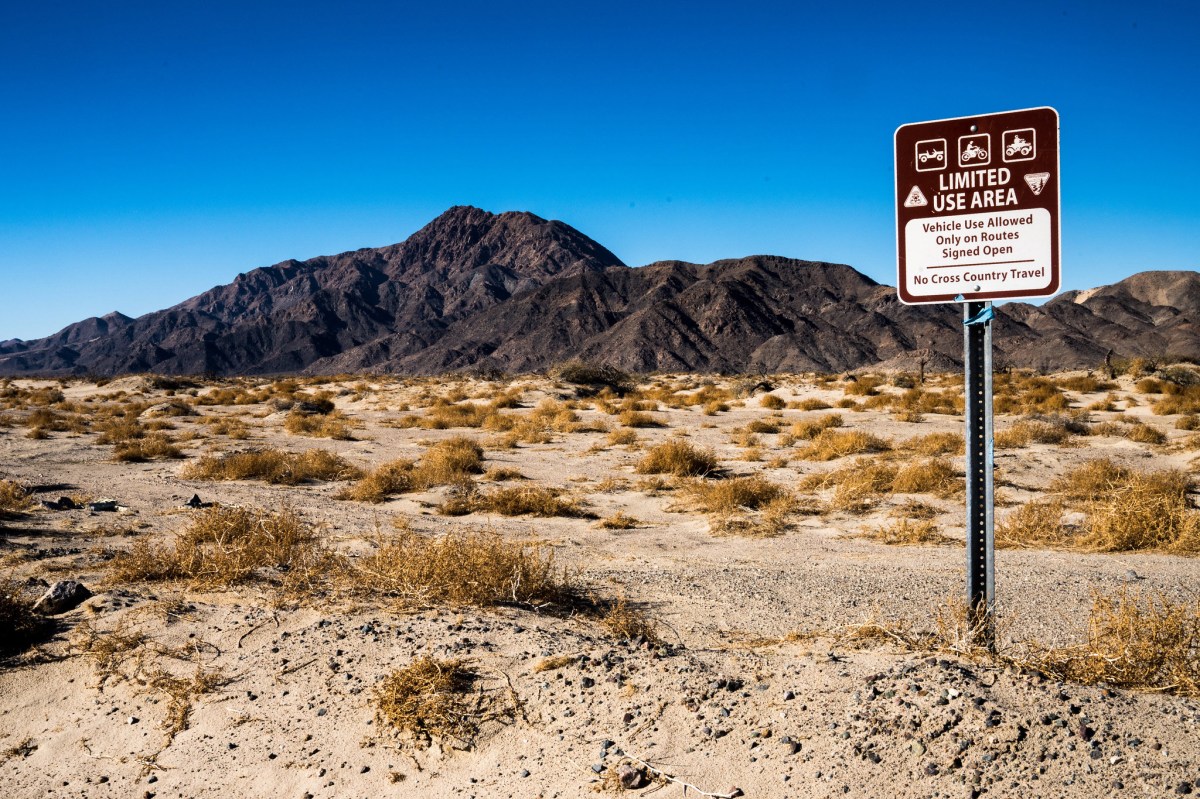

- Trump lifts off-road vehicle restrictions. A new executive order revokes 50-year-old protections, opening more federal lands to off-road vehicles.
- Conservation vs. access debate. Conservation groups oppose the move, while off-roading advocates see it as a win for public-land access.
- Environmental impact. OHV restrictions were originally put in place since OHV use is linked to soil erosion, vegetation decline, and wildlife conflicts.
- OHV usage surge. Significant growth in off-road vehicle registrations highlights potential for increased land-use conflicts.
Bottom line: Trump’s executive order opens federal lands to more off-road vehicles, prompting concerns over natural resource conservation, overcrowding, and OHV access.
Late in the day Friday President Donald Trump issued an executive order that lifts many key off-road vehicle restrictions on federal public lands that have stood for roughly 50 years. It’s the latest in a series of policy moves that erode conservation protections for public lands.
This executive order repeals two previous executive orders designed to safeguard wildlife and habitat on public lands. The first was signed in 1972 by President Richard Nixon to protect natural resources and reduce user conflicts. It established clear guidelines for off-road vehicle regulation and enforcement on the ground, like asking agency employees to designate OHV trails and non-OHV trails, carve out exceptions of official use, and incorporate public comment.
The second was signed in 1977 by President Jimmy Carter, which allowed agency heads to shut down public off-roading wherever vehicles were causing damage to natural resources. That included when off-road vehicles “will cause or is causing considerable adverse effects on the soil, vegetation, wildlife, wildlife habitat or cultural or historic resources of particular areas or trails of the public lands.” In other words, this order simply authorized agency heads to close OHV use where it was causing clear damage.
Trump’s own executive order calls both of these long-standing executive orders “burdensome and outdated,” noting they were put in place before modern mapping technologies that can detect off-road use in sensitive areas. The White House says this is a way to improve access to public land by “removing unnecessary and counterproductive restrictions.”
Conservation groups are largely opposed to the move, while off-roading groups have welcomed the executive order as a key access win and a historic opportunity to revisit old off-road closures.
“CORVA supports responsible recreation, sound stewardship, and science-based management,” wrote the California Off-Roading Vehicle Association in an Instagram post about the “exciting news” of a potential change in federal policy. “We also believe public lands should remain accessible to the public and managed under the long-standing principle of multiple use.”
Friday’s executive order does not immediately change any riding regulations but it could open key public lands and sensitive habitat to off-road use, including National Park Service lands, which typically have greater restrictions for off-road vehicles compared to BLM and U.S. Forest Service lands. Previous estimates have noted that more than 80 percent of all off-highway vehicle and mountain bike trail opportunities in the West are on BLM and Forest Service lands.
“Taking away these two executive orders takes away the basic framework of policy in which regulating off-road vehicles on public lands was founded on,” says Jack Polentes, policy and government relations senior manager for Backcountry Hunters and Anglers.
Polentes, who previously worked for NOAA and the USFWS, also notes that this executive order yanks the rug out from under other policies that are also being considered for rescission or being rewritten, such as the Travel Management Plan with the US Forest Services or BLM Resource Management Plans legislated out through the use of the Congressional Review Act. This latest move, he says, is “just the next step that can really threaten our backcountry environments.”
It also comes on the heels of the recent repeal of the Public Lands Rule, which put conservation on the same multiple-use mandate for public lands as natural resource extraction, grazing, and other uses.
Research shows a clear pattern of vegetation and soil damage, water quality degradation, wildlife conflict, and user-group conflicts from poorly managed off-road vehicle use on federal lands. Off-highway vehicles, or OHVs, include SUVs, side-by-sides, ATVs, snowmobiles, dirt bikes, dune buggies, and increasingly mountain bikes and e-bikes.
When Nixon’s executive order was signed in 1972, it mentioned just 5 million off-road vehicles as a growing problem even though they were often used for “legitimate purposes.”
“The widespread use of such vehicles on the public lands …. has demonstrated the need for a unified Federal policy toward the use of such vehicles on the public lands,” reads Nixon’s directive, which also recognized that OHVs “are in frequent conflict with wise land and resource management practices, environmental values, and other types of recreational activity.”
While exact estimates of modern OHV use on federal lands — or the potential for them — aren’t immediately available, it is clear the number of OHVs in the U.S have grown substantially since the 70s.
Some states, such as Arizona, have experienced a 347 percent growth in OHV usage over the course of a decade, according to a report from the Congressional Sportsmen’s Foundation. OHV registrations for Colorado residents increased by 219 percent, while OHV permits for non-residents increased by more than 1,600 percent, between 2000 and 2014.
Read Next: Here’s Where the Trump Administration Plans to Open Hunting, Fishing Opportunities on Refuge and Park Service Lands
“At BHA … we advocate for access every single day, but motorization in these backcountry lands is not the same thing as access,” says Polentese. “Access means conserving access for hunters and anglers in perpetuity for our future generations, and if you can’t balance that with common-sense travel management policy, it’s just not access for hunters and anglers.”
Read the full article here