
The saying, “mission drives the gear train”, is a reference to the objective having ruling authority over gear choices. We typically don’t think of it this way, but the objective should be driving our training too. The more precise we can be with what that objective is, the more focused we can make the training.
Conceptual Origin
The first time I heard the terminology “switches and timers” was from Kyle Defoor, in a video I think. He was explaining that putting bullets in certain parts of the body act as a switch, or a timer. The brain, and upper spine, act like a switch. Get a good hit, and the bad guy turns off as if there was an off switch.
Other key parts of the body are timers when they are struck by bullets. The length of the timer, depends on the quality of the hit. Timers rely on blood loss to incapacitate the body, and blood loss can take time. How much time, depends. In November of 2009 four police officers were killed in a fight with a single perpetrator. That perpetrator was shot in the stomach. Two days later, he was still running from, and trying to fight the police. Some timers are just too long to matter.
Why Understanding Anatomy Matters
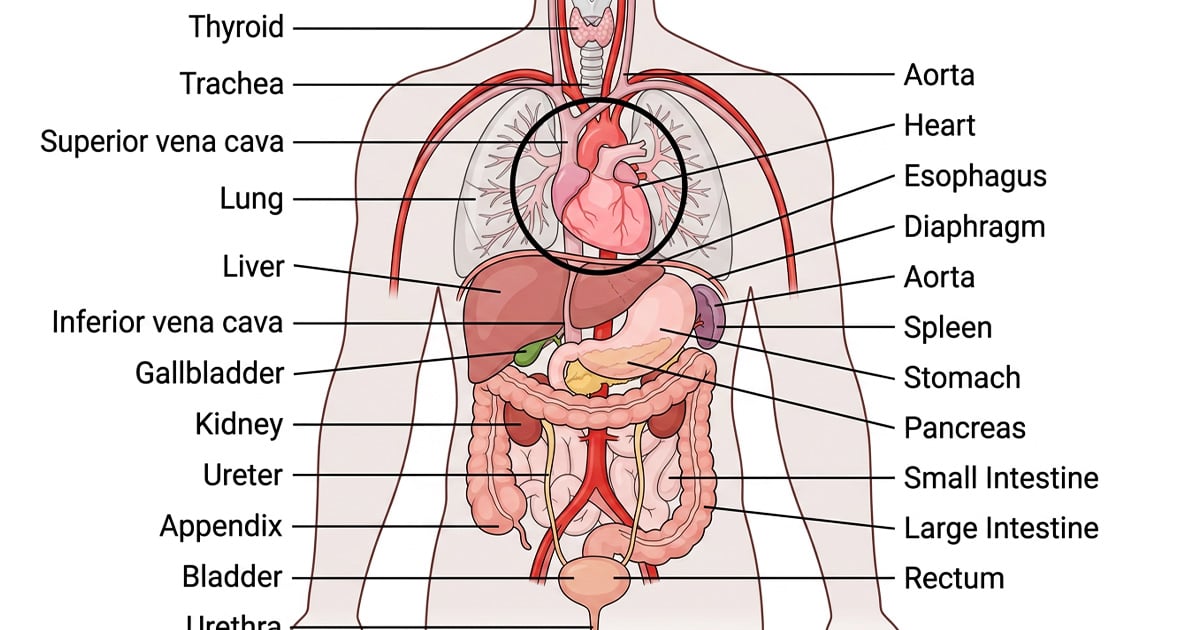
This is where a concept like tactical anatomy can come into play. When we engage a bad guy with gunfire, we aren’t just shooting at a whole person. We are in fact shooting at small, critical structures inside the person, as Tim Chandler is fond of saying. Having some knowledge of where those structures are can be useful in attaining the objective in the shortest timeframe possible. This is where the concept of “tactical anatomy” comes from, and has become the basis of some recently available training options from providers like Palisades Training Group and their Tactical Anatomy Summit.
Why Accuracy Matters
This is why accuracy standards matter. If we are shooting at small things inside the human body to stop the threat as expeditiously as possible, than we have to train to that standard. Things like a 10 ring on the B-8 target, or a 3″x5″ index card, start to make a lot more sense with this type of shooting in mind. While hits anywhere on the body may diminish a person’s ability to fight, we need more than that in personal defense.
The Bottom Line
We owe it to ourselves, and those who spilled blood learning these lessons for us the hard way, to train to an appropriate standard for the alleged mission. Do the work. See you on the range.
Read the full article here