Connecticut HB 5043 Passes Senate in Overnight Vote, Glock-Style Pistol Ban Now Sits on Governor Lamont’s Desk


Key Takeaways
- Connecticut’s ban on ‘convertible pistols’ has passed both legislative chambers and awaits the governor’s signature, set to take effect on October 1, 2026.
- HB 5043 classifies the possession and sale of convertible pistols as a Class D felony, targeting Glock-style pistols capable of being converted to machine guns.
- Supporters cite a rise in illegal Glock switch seizures as justification, while critics argue existing laws already prohibit such conversions.
- Gun sales surged in Connecticut as residents rushed to purchase Glocks before the legislation takes effect.
- Litigation against the ban is likely, as it raises constitutional concerns regarding the Second Amendment rights of gun owners.
Estimated reading time: 7 minutes
HARTFORD, CT — Connecticut’s “convertible pistol” ban has cleared both chambers of the General Assembly and now sits on Governor Ned Lamont’s desk awaiting his signature. The Connecticut Senate passed HB 5043 by a 22-11 vote in the early morning hours of Tuesday, May 6, 2026, after a debate that began around 3 a.m. and stretched until roughly 8:30 a.m.
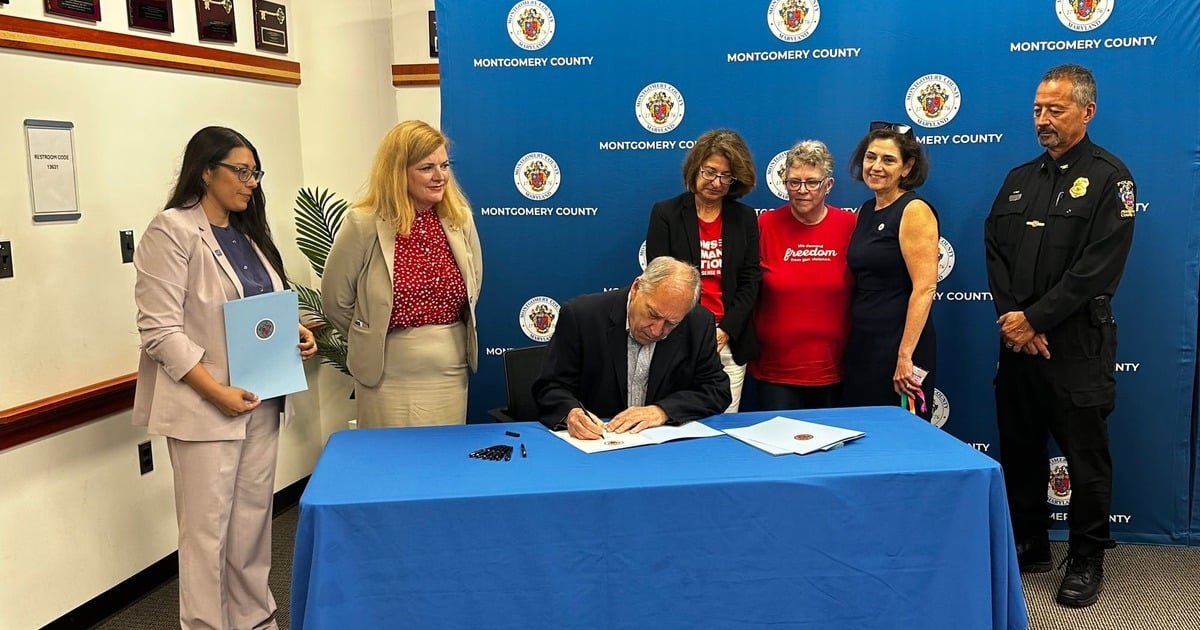
The Connecticut House had previously passed the bill 86-64 on April 22, 2026. Every House Republican and 15 Democrats voted against the measure. The bill was introduced by Governor Lamont himself on February 5, 2026, as a Governor’s bill pursuant to Joint Rule 9. He has publicly stated his intent to sign the legislation.
If signed, the ban takes effect on October 1, 2026.
What the Bill Actually Does
According to the bill text, HB 5043 makes it a Class D felony to import into the state, distribute in the state, sell, give, advertise, offer to sell, transfer, expose for sale or transfer, or possess with intent to sell or transfer any “convertible pistol.”
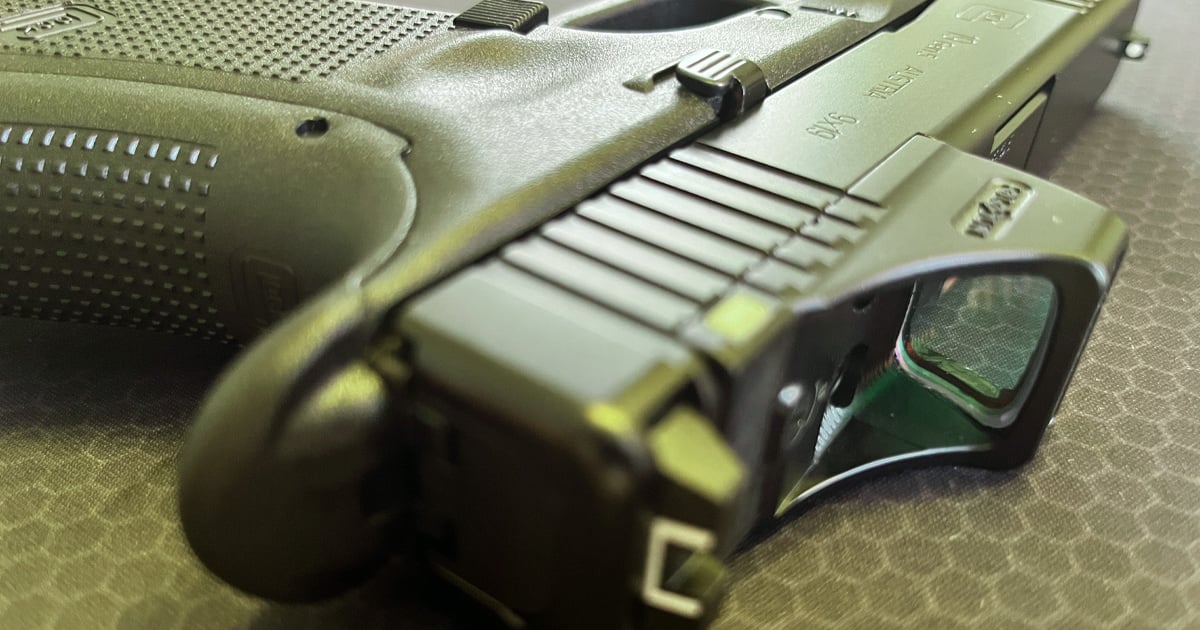
The bill defines a “convertible pistol” as any semiautomatic pistol with a cruciform trigger bar that can be readily converted by hand or with a common household tool into a machine gun solely by the installation or attachment of a pistol converter, often referred to as a “Glock switch.” The cruciform trigger bar is a hallmark of Glock’s design and is used by similar pistols from manufacturers like Shadow Systems and others.
The bill excludes hammer-fired pistols and certain shielded designs, but the practical target is clear: Glock-style striker-fired handguns, among the most common defensive pistols in America today.
A Class D felony in Connecticut carries penalties of up to five years in prison and fines up to $5,000.
The legislation also redefines unfinished frames and receivers as firearms to address so-called ghost guns, and strengthens existing state bans on bump stocks. Current owners of covered pistols are not required to surrender or destroy their firearms, but transfers and sales going forward would be heavily restricted.
The Stated Rationale and Why Critics Aren’t Buying It
Supporters of the bill, including Governor Lamont, Everytown for Gun Safety, and Democratic legislative leaders, framed the legislation as a response to the rise in seized “Glock switch” devices. According to ATF data cited during legislative debate, seized switches jumped from 658 in 2019 to 5,816 in 2023, a 784 percent increase. Hartford police seized 51 modified Glocks between 2023 and 2024.
The stated goal is to pressure manufacturers like Glock to redesign their pistols so they cannot accept conversion devices. Lamont noted that Glock already sells a modified version in Germany that is harder to convert.
The argument falls apart on close inspection. Machine gun conversion devices are already illegal under both Connecticut state law and federal law. The National Firearms Act has classified auto-sears as machine guns since they were invented, and the Hughes Amendment to the Firearm Owners Protection Act of 1986 banned civilian possession of newly manufactured machine guns. Possession of a Glock switch carries up to 10 years in federal prison.
Anyone willing to break federal machine gun law is unlikely to be deterred by an additional state-level felony for owning the host pistol. As the Connecticut Citizens Defense League put it in their opposition testimony, “Making the host pistol illegal does not add a penalty to the criminal who is already willing to commit a felony.”
Republicans Pushed Back Hard
The legislative opposition was vocal and unified. Sen. Rob Sampson said during Senate debate that the bill bans “perfectly lawful firearms” even though Glock switches and illegal conversions are already prohibited.
Rep. Craig Fishbein offered one of the more direct rebuttals during House debate. “‘Shall not be infringed’ still appears in the U.S. Constitution. I own firearms capable of being converted. None of them have been converted into machine guns.”
Rep. Doug Dubitsky raised the broader logical concern that has alarmed Second Amendment advocates nationally. If the rationale of banning any firearm capable of illegal modification is accepted, that rationale could logically extend to virtually any semiautomatic handgun, since aftermarket conversion devices exist or could be designed for nearly all of them.
That concern is not hypothetical. The bill’s language defines “readily converted” loosely enough that future regulators could expand the definition to capture additional pistol designs as new conversion devices appear on the illicit market.
Why This Matters for Gun Owners
The Second Amendment is a fundamental civil right, and the right of law-abiding Americans to own firearms in common use for lawful purposes sits at the very center of what that right protects. Glock-style striker-fired pistols are among the most popular defensive handguns in the country, used by tens of millions of civilians, police officers, and military personnel. They are the textbook definition of arms in common use under the standard set by the Supreme Court in District of Columbia v. Heller.
The legal vulnerability of HB 5043 is significant. The Heller decision held that arms in common use by law-abiding citizens for lawful purposes cannot be banned. The Bruen decision in 2022 further required modern firearm regulations to point to a historical analogue from the founding era to survive Second Amendment scrutiny. There is no founding-era tradition of banning a class of common defensive handguns based on the theoretical possibility that criminals might illegally modify them.
California passed similar legislation in 2025, AB 1127, which immediately drew federal lawsuits from pro-gun groups. New York, Illinois, and Maryland are pursuing or have pursued similar measures. Litigation against the Connecticut law, if signed, is virtually certain.
The deeper concern for armed citizens is the precedent. A bill that bans a popular defensive pistol because of what criminals might do to it represents a fundamental inversion of how American firearms law has historically worked. Punishing law-abiding citizens for the actions of criminals who are already breaking federal law sets a precedent that can be applied to virtually any firearm.
More from USA Carry:
A Surge in Connecticut Gun Sales
In a development that mirrors what happens nearly every time a state moves to ban a class of firearms, Connecticut gun dealers reported a sharp surge in Glock sales as HB 5043 moved through the legislature. Rich Sprandel, the owner of Blue Line Firearms and Tactical in Monroe, told CT Mirror in late April that he had seen sales increase substantially since the sale ban legislation was introduced.
The bill’s grandfather provision allows current owners to keep firearms they already possess, which has driven Connecticut residents who carry Glocks or who had been considering one to make their purchases before the October 1 effective date.
What Comes Next
Governor Lamont has stated his intent to sign HB 5043. The National Association for Gun Rights has launched a public veto campaign urging Connecticut residents to contact the Governor’s office and demand a veto. The governor’s office contact information is available at portal.ct.gov/governor.
If Lamont signs the bill as expected, the law takes effect October 1, 2026. Litigation challenging the constitutionality of the ban is virtually certain and will likely follow the path of the California challenge to AB 1127, which was filed almost immediately after that bill was signed in 2025.
Connecticut residents who want to acquire a Glock or other covered pistol legally should be aware that the window may be closing quickly. After the effective date, future sales, imports, and transfers of these handguns within Connecticut will become Class D felonies absent a successful court challenge.
Read the full article here