Feral Hogs Can Spread CWD. So Why Are These States Still Transporting and Importing Them?

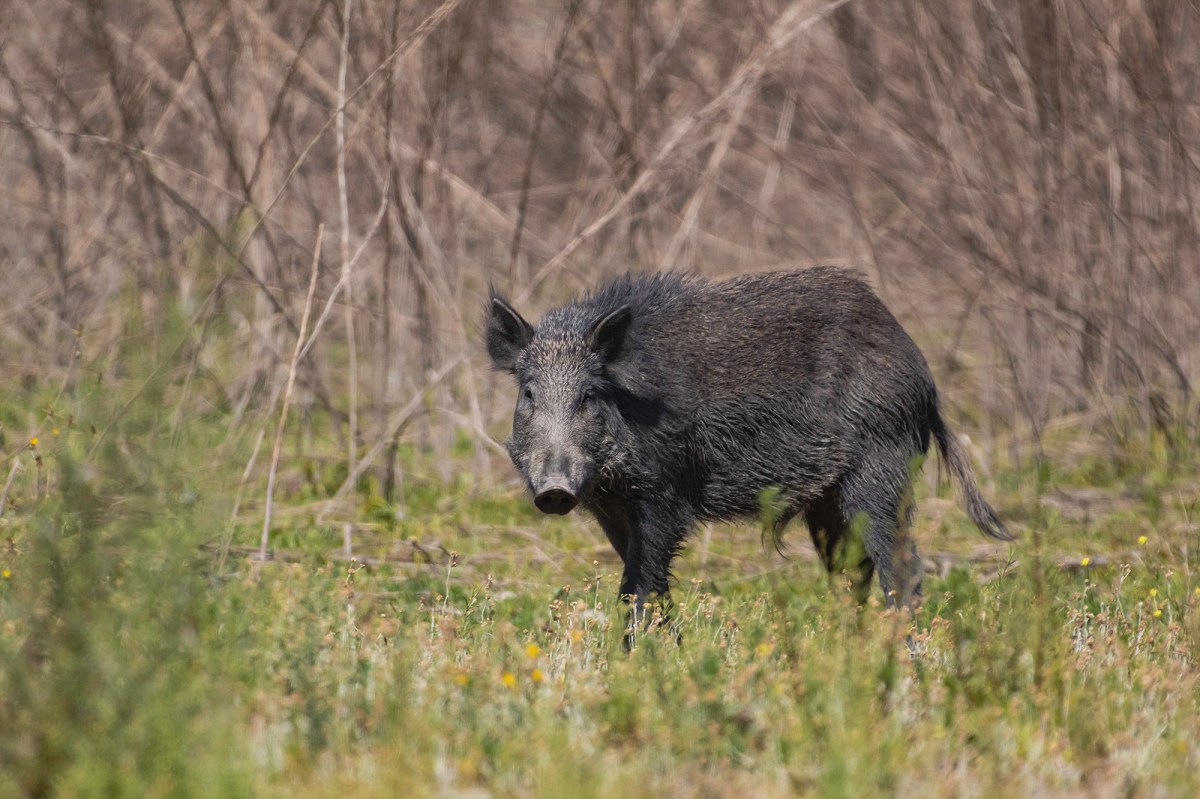

On their own, both chronic wasting disease and invasive feral hogs already pose massive threats to conservation and hunting in America. Emerging research shows that these two issues are actually more connected than wildlife managers previously realized: wild hogs can and do carry the CWD prions that are shed by infected deer.
This is according to a landmark study published in Emerging Infectious Diseases last year, after researchers detected CWD prions in wild hog tissue. There aren’t any known instances of feral hogs becoming infected by the fatal neurological disease that affects deer, elk, and other cervids. They are still a vector for the disease, however. The study’s “findings indicate that scavenging swine could play a role in disseminating CWD and could therefore influence its epidemiology, geographic distribution, and interspecies spread.”
In other words, CWD-infected deer shed prions into their environment, which are then picked up by scavenging hogs, which in turn carry and shed those prions even more.
“Persistent shedding of prions by CWD-affected animals and resulting environmental contamination is considered a major route of transmission contributing to spread of the disease,” according to the study.
The transportation of live cervids is already a complicated regulatory issue, and so is the transportation of feral hogs, as it turns out. In its 2026 Deer Report, the National Deer Association highlights the discrepancies:
- 13 states currently allow feral hogs and cervids to commingle in the same enclosure or high-fence facility.
- 16 states allow the transportation of live feral hogs.
- 10 states allow the importation of live feral hogs.
- Many of the states that allow transportation of live feral hogs are the same states that allow commingling with captive cervids.
“We were actually kind of surprised how many facilities did allow commingling of pigs and cervids behind high fences,” says NDA’s senior conservation coordinator Ben Westfall. “Certainly we would like to discourage states from allowing commingling behind fences with cervids and wild pigs. Obviously the captive cervid facility is a much larger issue but if one thing states could do is at least minimize the contact that they’re having knowing now that feral hogs can spread CWD across the landscape, we would encourage [state] agencies to eliminate that commingling.”
What complicates matters is that many states transport feral hogs, and not a single state currently tests feral hogs for CWD. An article from NDA earlier this month revealed that feral hog transportation is already rampant. A key genetic study of wild hog translocation showed that nearly 19 percent of wild hogs across the country had been translocated at some point. While transportation of feral hogs is legal in some states with restrictions, it’s also clear that there’s illegal wild hog trafficking happening across the country.
Meanwhile, Texas and Oklahoma — two of the states that allow hogs and deer to mingle in enclosures — are the origin point for many of the feral hogs that get shipped all over the country. In fact, South Texas was the biggest exporter of wild hogs: researchers found that Texas pigs are now living in 26 out of 38 states they investigated. Researchers noted that Texas was responsible for the longest-distance translocations of hogs and that the state “has a disproportionate impact on the spread of feral swine.”
Out of the 48 states and eight provinces NDA questioned in its report, only Saskatchewan currently does any CWD testing for feral hogs for CWD. That was “a little shocking,” says Westfall.
“Transportation of feral hogs is certainly a concern,” says Westfall. “Not only with the issue of feral hogs themselves and how hard it is to mitigate their spread because their population grows so rapidly, but [because] we all know how easily [CWD] prions can spread, especially in the movement of cervids as well. So coupling moving [wild] pigs and knowing that they can also transmit prions is concerning.’
On the bright side, last year’s findings on CWD prions in hogs is precipitating further research. And, fortunately, more states than not already have regulations in place to prevent or combat invasive feral hogs.
“A lot of states are taking effort to minimize or mitigate the spread [of wild hogs] by making importation or transportation illegal,” says Westfall, noting that NDA has previously asked states about their regulations around feral hogs, and that more states are restricting their movement over time. “So there are measures actively being taken to negate the spread of pigs.”
The best defense for hunters who are concerned about wild deer where they live is to educate themselves about feral hog management and to keep tabs on their state game agency, says Westfall. That includes following practices like whole-sounder removal and looking to existing programs like Missouri’s Feral Hog Elimination Partnership, which is proving effective.
Read Next: Oklahoma Is Now Releasing Pen-Raised Deer into the Wild as Part of a Vast CWD Experiment
“Stay in tune with what the state wildlife agencies are doing. We’ve seen first hand that a lot of people push back on their wildlife agency simply because they don’t understand what’s being done and why. So I think it’s important to engage with your agencies and become educated about what they’re doing.”
Read the full article here