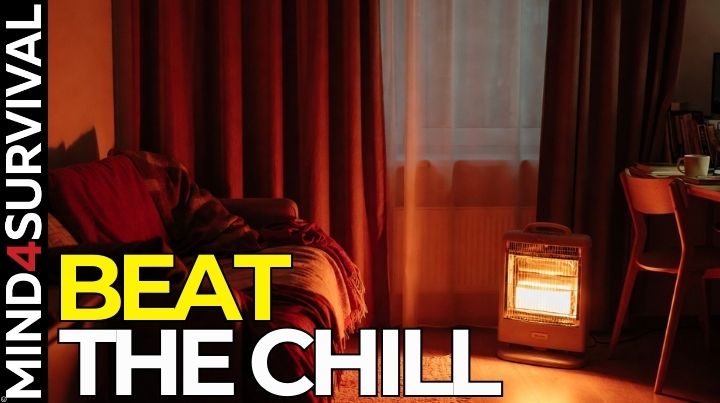

Power outages during winter are very troubling for apartment dwellers. When the electric grid goes down, central heating systems, indoor space heaters, and even building-wide boilers won’t work. Renters may struggle to stay warm in their own homes.
People who live in apartments are typically unable to make permanent upgrades to their spaces, and often have restrictions on storing extra fuel, using generators, etc. That doesn’t mean you have no other way to stay warm. It just means you need to be proactive and create an intentional, realistic, and safe heating plan.
Let’s look at heating options for apartments during power outages, along with important safety considerations and space-saving strategies.
TL;DR: To safely heat an apartment during a winter power outage without central heating, focus on passive heat retention. Seal drafts, cover windows with thermal curtains or bubble wrap, layer clothing, and gather your family in a single interior room to efficiently pool and maintain body heat.
Quick Look at What You’ll Learn
What are Some Limitations that You Might Face?
Before jumping into buying emergency heating options, we should take a look at common constraints you may be faced with:
- No fireplaces or chimney additions
- Limited ventilation
- Fire codes from building management
- Small spaces where heat or carbon monoxide can become dangerous
- Restrictions on using generators.
Your heating options must comply with your lease and still provide warmth and safety.
Heating Strategies That Do Not Require Fuel
When considering heating methods, many people overlook the importance of preserving existing heat. Passive heating helps you retain the heat that you already have.
Insulation and Heat Retention
Back in the medieval days, castle dwellers used to hang tapestries on their walls. This was not only decorative but also useful for retaining heat. Apply the same principles by doing the following:
- Hang thermal or blackout curtains over your windows. Even if you have blinds, add a makeshift curtain rod or paracord to hang curtains to reduce heat loss.
- If the curtains that came with your apartment are too thin, hang blankets or quilts over the windows.
- Roll towels or use draft stoppers under your doors.
- Close the doors of unused rooms.
- If you are expecting a deep freeze, plan ahead and place a layer of bubble wrap over your windows. Use transparent tape to secure the corners. The bubble wrap acts as extra insulation. When the temperatures start to rise, just remove it.
I’ve tried all these steps, and I can attest that they work!
Strategic Room Selection
Have the family, including pets, occupy one room designated as the “warm zone.”
Choose an interior room with fewer exterior walls. Smaller rooms tend to retain heat versus large rooms with high ceilings. If it’s still cold, consider setting up a tent inside to help conserve the heat and get cozy! Pooling body heat in one space makes a big difference, especially at night
Rechargeable Heating Adjacent Options
Try rechargeable heating pads and blankets that can be recharged using power banks or solar generators. These are useful while sitting still or for sleeping.
You can also try pre-charged electric blankets. Use them with portable power stations in case they need to be recharged. Choose low-wattage blankets (50-100W). Avoid powering traditional space heaters from your battery backup, as they will quickly drain it.
This option works well for short power outages.
Indoor-Safe Propane Heaters
When used with caution, propane heaters rated for indoor use, such as Mr. Heater models, can provide much-needed warmth in an emergency.
Before purchasing, make sure your lease allows you to use one, as many apartments prohibit propane storage.
Even though they are rated safe for indoor use, there is still a risk of carbon monoxide if misused. You must always have good ventilation when using a propane heater. For utmost safety:
- Crack open a window slightly.
- If possible, use only one-pound propane cylinders.
- Keep a battery-powered carbon monoxide detector nearby whenever you are using a propane heater.
Does the Terra Cotta Heater Work?
We’ve all seen websites or videos suggesting how to make a terra cotta candle heater to heat a room. Unfortunately, this is one of those viral ideas that doesn’t actually work. A terra cotta candle heater does not provide enough heat to warm a room. It redistributes rather than generates heat. It also poses a fire danger. They are not a reliable source of heat, so it’s best to avoid them.
Layering Clothes for Body Heat
One of the best ways to stay warm in an apartment during a power outage is by conserving body heat with your clothing.
- Use base layers – thermal tops and bottoms under your clothes help insulate you.
- Use fleece or wool as your mid-layer.
- For your outer layer, use insulated jackets or robes.
- Avoid cotton as it traps moisture when you sweat and hastens heat loss.
Bedding for Cold Indoor Temps
- Use sleeping bags over your bed as an added layer.
- Wool blankets or emergency bivvy sacks can also help trap warmth.
- Sleep closer to the floor as long as you have a draft stopper.
- Share a bed to retain warmth.
Safety Measures
Your indoor heating plan should always include safety measures:
- Always keep a class ABC fire extinguisher ready.
- Make sure your carbon monoxide detector has fresh batteries.
- All your smoke detectors should be functional.
- Clear all exit paths.
- Never sleep while a flame-based heater (even if it’s an indoor-safe one) is running.
What Not to Use Indoors
Never use unsafe heating options in your apartment, such as charcoal grills or hibachis, outdoor propane heaters, gas stoves or ovens, alcohol burners, or firepits.
These all produce dangerous levels of carbon monoxide in enclosed spaces and cause severe injury or death.
Building a Layered Apartment Heating Plan
Before the next cold snap happens, build a reliable heating plan using several low-risk methods:
- Passive insulation (such as bubble wrapping your windows) and designating an area as your “warm zone.”
- Gather up all your blankets and sleeping bags.
- Layer your clothing.
- If your building regulations allow, purchase an indoor-safe propane heater (but use caution when using it).
- Make sure you have safety gear.
Don’t wait until the temperature starts plummeting to act. Plan ahead to ensure you and your family stay safe and comfortable no matter what the winter brings.
Additional Resources
Read the full article here