
The year 2026 is fast approaching, and with it comes a storm of challenges that most Americans refuse to see. After 25 years of studying global conflicts, domestic vulnerabilities, and survival, I’ve learned one thing: the world doesn’t wait for the unprepared.
What keeps me awake at night is what I see unfolding across the globe and right here at home. The threats are real, and they’re closer than most think.
From rising tensions with foreign powers to the fragility of our own infrastructure, America is facing multiple fronts of danger. Too many citizens assume that disaster only happens “somewhere else.” But in 2026, complacency will be a luxury the unprepared cannot afford.
China and the Taiwan Flashpoint
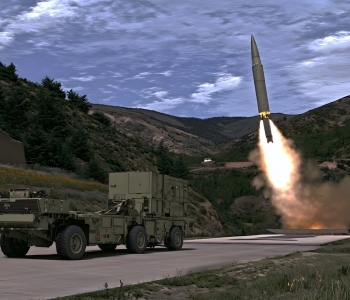 One of the biggest threats in 2026 is a potential conflict between China and Taiwan. China’s military modernization is unlike anything we’ve seen, with advanced missile systems, stealth aircraft, and cyber capabilities that could cripple the U.S. military in a first strike scenario.
If tensions over Taiwan escalate, the U.S. could be dragged into a confrontation in the Pacific. A blockade or accidental skirmish could disrupt global trade overnight, sending prices for food, fuel, and consumer goods soaring.
The ripple effects would hit every American household. Ports could be shut down, supply chains frozen, and cities left scrambling for basic necessities.
👉 This is What Will Ultimately Collapse the US Economy
Even without a direct conflict, China’s cyber capabilities remain a persistent threat. Hackers could target critical infrastructure – power grids, water systems, hospitals, and banks, leaving millions of Americans without access to essential services for days or even weeks.
For you as an American, this is not hypothetical, but a warning to make sure you have water, food, and alternative energy on hand.
Russia and the Looming Cyber
Russia continues to test the limits of global patience. While much of the focus has been on Ukraine, 2026 could see them escalate in ways that directly impact the U.S. and its allies. Beyond conventional warfare, their cyber arsenal is growing, capable of targeting everything from Wall Street to local hospitals.
A coordinated cyberattack could shut down power in major cities, disrupt banking systems, and cripple communications. Imagine New York, Los Angeles, or Chicago without electricity, water, or fuel for a week. Panic would spread faster than relief efforts could respond.
Military posturing in Eastern Europe could escalate to a larger confrontation, drawing NATO – and by extension, the U.S.- into a conflict that is sudden and devastating.
As an American, you must consider not just overseas effects, but also domestic fallout: shortages, social unrest, and the real possibility that government aid could be delayed or insufficient.
This is how you can stay off the government’s radar:

Natural Disasters That Could Compound Everything
Even without man-made crises, nature doesn’t wait. 2026 could bring catastrophic natural disasters that overwhelm local and federal response.
Wildfires in the West are intensifying, and hotter, drier summers will make them more destructive. Evacuations may come suddenly, and resources for displaced citizens could be limited.
Hurricanes along the East Coast are stronger each year, threatening flooding and destruction on a scale that could disrupt multiple states simultaneously.
Related: 2026 U.S. Earthquake Map. Is Your State in the Danger Zone?
Earthquakes along major fault lines, such as California and Alaska, remain a persistent threat. Entire communities could be isolated, with roads destroyed and emergency services delayed. Water, food, and fuel reserves could become life-or-death necessities.
Even weather events that seem minor, like localized flooding or ice storms, could compound other crises. Combined with economic or social disruptions, the result could be chaos on a scale most Americans have never experienced.
Domestic Vulnerabilities No One Talks About
America faces crises at home that are just as dangerous as foreign threats. Our infrastructure is aging, dependence on technology is absolute, and social cohesion is fraying.
Cyberattacks on banks, hospitals, and government systems could plunge cities into chaos. A blackout in a major metropolitan area wouldn’t last hours – it could stretch for days, leaving millions without supplies and medical care.
Economic instability is another looming threat. Inflation, a fragile stock market, and the national debt mean that any global disruption – war, natural disaster, or cyberattack – could trigger domestic collapse.
Americans could suddenly find themselves unable to access basic goods or services, forcing them to rely on stored supplies or community support networks.
Watch this video to find out how this scenario will evolve in 2026:

Social unrest is a growing concern. Scarcity, political division, or economic shocks could turn communities hostile. Cities are particularly vulnerable, where panic spreads faster and resources run out first. Those without a plan for protection or self-reliance will quickly be left behind.
Middle East Instability and Energy Shocks
The Middle East remains a ticking time bomb, and 2026 could see a flare-up that destabilizes global oil markets. Iran’s nuclear ambitions, political unrest in Iraq and Syria, and proxy conflicts in Yemen could trigger a sudden supply disruption.
Even a brief spike in oil prices could have cascading effects on the U.S. economy. Fuel for transportation, heating, and electricity could become scarce or prohibitively expensive. Food prices would climb, supply chains would falter, and civil unrest could erupt in urban areas already stretched thin.
Americans, you must remember: our nation relies heavily on foreign energy. Any disruption overseas doesn’t stay overseas – it hits our streets, homes, and wallets directly. Now more than ever you need fuel reserves, alternative power sources, and long-term food storage to withstand these shocks.
The Rise of Organized Crime and Urban Breakdown
One of the most dangerous threats brewing inside America it’s the growing wave of organized crime and collapsing law enforcement in major cities. As budgets shrink and response times drag into hours, criminal networks are expanding faster than anyone wants to admit.
In 2026, this could reach a breaking point. Cities such as Chicago, Baltimore, Detroit, and Los Angeles, already struggling with theft, gang activity, and drug violence, may face a level of lawlessness we haven’t seen in decades. Some neighborhoods could effectively become “no-go zones,” where police presence is minimal and criminals operate freely.
 But the biggest fear is coordinated crime. Groups are becoming more strategic, using encrypted apps, drones, stolen vehicles, and even basic cyber tools to overwhelm local systems. A surge in carjackings, home invasions, and organized retail raids isn’t just a possibility – it’s already happening in pockets across the country, and 2026 could magnify it.
For everyday Americans, this means that simple routines, such as grocery trips, commuting, filling up at night, could become risky. Supply disruptions or economic shocks could amplify desperation, pushing crime from big cities into suburbs and rural areas.
If you think you’re safe because you live outside a major metro, the truth is no one is safe. When cities crack, criminals look outward for easier targets. That’s why you need to make sure you get your anti-looter kit and learn the best tactics to defend your home from criminals roaming all over USA.
The Changes You Need to Make in 2026
Fear is only useful if it forces you to act beyond comfort. But mind you, 2026 isn’t going to be about minor inconveniences, because it could be the year when power grids fail, communications vanish, and law enforcement can’t respond.
You need to be ready for situations no one is talking about, where the systems you rely on every day simply collapse. If you think your pantry or home security is enough, you’re already behind. You need bold, extreme actions that give you an edge when chaos hits.
Here’s a VIDEO that will show you exactly what you need to do to step up your survival strategy:

In a crisis, staying put could make you a target, which is why you need a fully mobile survival setup – gear that’s always ready in every vehicle you own, giving you the ability to move fast when your home or neighborhood becomes unsafe.
Least but not last, communications will be the lifeline you can’t afford to lose, especially when cell towers go dark. That’s why you need your own off-grid system, built on secure, private devices that don’t depend on the internet or corporate networks to function. And when it comes to power, you must stop depending on a
Final Thoughts
Next year will not be easy. Foreign conflicts, cyberattacks, energy crises, social unrest, and natural disasters could collide in a perfect storm. Those who ignore these threats will face severe consequences. Those who prepare will have a fighting chance.
Complacency is the enemy. Vigilance and practical action are the only ways to protect your family and community. The storms of 2026 won’t wait for hesitation, and neither should you.
You may also like:
 Safest Places to Hide in Nuclear War
How a possible civil conflict can change our lives in the next months (VIDEO)
How To Survive a Hurricane
When a Strike is Imminent… Do This First
How To Make Your Stockpile Invisible to Looters
Read the full article here