‘I Was Hooked.’ This Volunteer-Led Program Has Introduced 100,000 New Duck Hunters Across North America

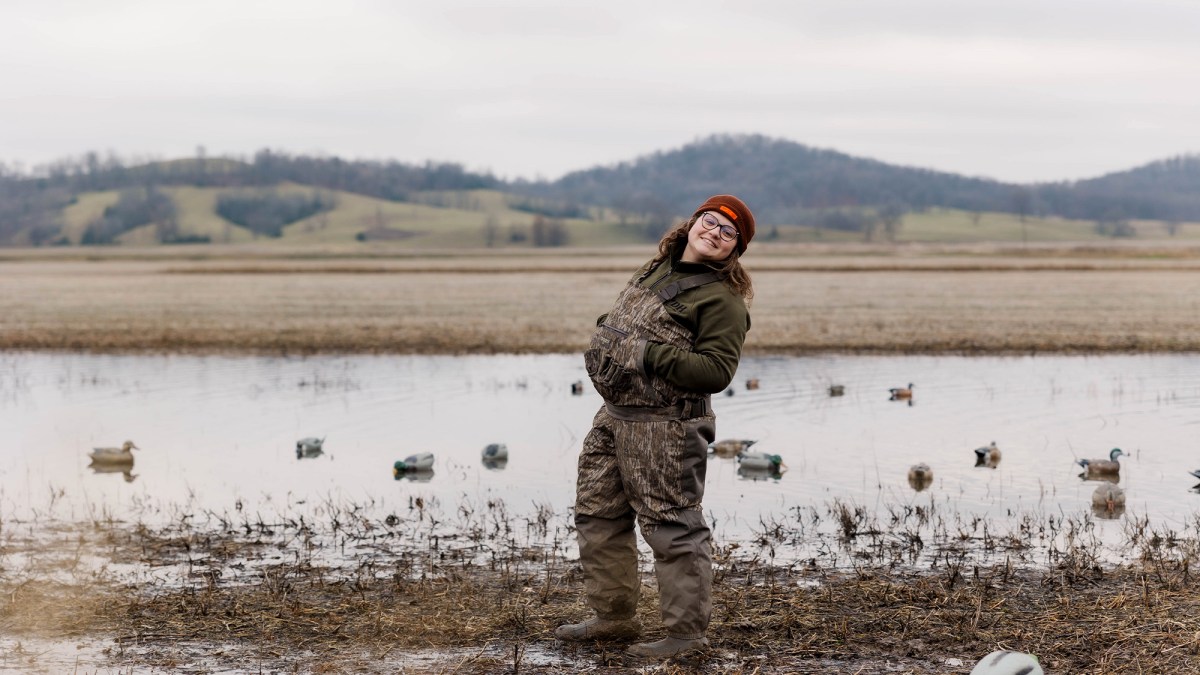

An eastern Missouri town called Moscow Mills lies along the Cuivre River. It’s also home to Kasey Mayo, who was introduced to duck hunting in 2023 through Delta Waterfowl’s First Hunt program. Mayo fell in love right away.
“My first waterfowl hunt was my first hunt of any kind ever. I was hooked,” Mayo says. “I got to be part of it and watch how it works, and I was like, ‘Sign me up for the rest of my life.’”
That makes her one of the 100,000 new hunters who’ve been introduced to waterfowling through the First Hunt program since 2003. Mayo is now paying that forward. In 2024, she co-founded Delta’s Cuivre River Chapter, where she helps support conservation initiatives and bring even more hunters into the fold.
Related: 21 Tips to Recruit New Hunters and Anglers
“It’s not just hunting,” Mayo tells Outdoor Life. “There’s so many great things that go into it. The prep, the gear, the logic. The intricacy of it was my favorite thing from the very beginning.”
First Hunt is now the largest hunter recruitment program in North America, according to Delta Waterfowl. The program helps mentees learn the basics, including how to identify birds and handle a gun. It also teaches the importance of habitat and the role of conservation in maintaining a healthy future for the resource. This work is led mostly by volunteers, and the new hunter program is managed at the local level by chapters — like the one Mayo helped establish in her hometown.
“We have nearly four hundred chapters raising money,” says Joel Brice, Delta Waterfowl’s chief conservation officer. “These are all duck hunters who volunteer their time. They have the passion and now they have the funds. We can accomplish so much more by empowering duck hunters to make a difference at the local level.”
Related: The Best Duck Hunting Guns, Tested and Reviewed
Brice says the program was founded more than 20 years ago with the goal of reversing the slow decline in hunter numbers. Delta estimates that the U.S. has lost around 38 percent of its waterfowlers since 1970, while Canada has lost more than 70 percent since 1978. This means fewer people funding conservation by purchasing licenses, fundraising, or buying equipment that is taxed to benefit natural resources. Mayo does her part in all three ways.
“All the sporting goods stores love to see me coming,” she says. “I won my shotgun, but everything else I needed to be successful on my own, I bought within the first year. I was so excited.”
Most First Hunt participants are adults like Mayo who’ve never hunted before. Some are former hunters returning to the sport. Others are curious kids or veterans.
“That weekend in February, when we passed the milestone of 100,000 new hunters, I was in Arkansas with military vets” Brice says. “The hunt created an environment where they could open up with each other, and with those of us who haven’t been in the military. They explained the benefits of being out there, and I really enjoyed hearing that.”
Read Next: I’m an Immigrant, a Veteran, and Finally… a Hunter
Brice says the non-profit recognized early on that the First Hunt program functions best when managed by local chapters. A case in point: Mayo’s Cuivre River Chapter raised $36,000 at its first event. A percentage of those funds helped a new group of folks experience a multi-day waterfowl hunt for the first time.
“If you have never done this, and you try it and love it. That shows other people they can do it, too,” Mayo says. “The Delta Waterfowl community has shown up for me, and they’ve never made me feel that I can’t accomplish this.”
Read the full article here