
When it comes to long-term food storage, few tools are as important — or as misunderstood — as food grade buckets. Preppers who ignore proper storage containers often learn the hard way that poor packaging can destroy years of stored food in a matter of months.
Moisture, oxygen, pests, light exposure, and chemical contamination are the biggest enemies of long-term food security. The right food grade buckets eliminate those threats and allow you to safely store survival foods for decades.
Choosing the wrong bucket can ruin your entire stockpile. Choosing the right one can protect your family during supply shortages, economic collapse, or natural disasters.
Let’s break down exactly how to choose the best food grade buckets and what features truly matter.
Why Food Grade Buckets Are Essential For Preppers
Many people assume any plastic bucket will work for food storage. That mistake has cost countless preppers their entire emergency food supply.
Food grade buckets are specifically manufactured using plastics that do not contain harmful chemicals that can leach into stored food. Standard construction or hardware store buckets often contain dyes, recycled plastics, or chemical stabilizers that contaminate food over time.
Proper food grade buckets help protect against:
- Oxygen damage that causes food spoilage
- Moisture infiltration that leads to mold growth
- Rodent and insect contamination
- Chemical leaching from unsafe plastics
- Light exposure that degrades nutritional value
For long-term preparedness, your storage container is just as important as the food itself.
How To Identify True Food Grade Buckets
Not every bucket labeled “food safe” meets long-term storage standards. Smart preppers look for specific characteristics before trusting a container with their survival pantry.
Look For Food Safe Plastic Certification
High-quality food grade buckets are typically made from High Density Polyethylene, commonly labeled as HDPE. This plastic resists chemical breakdown and does not absorb odors or toxins easily.
Check for food safety markings or certifications indicating the plastic is safe for direct food contact.
Choose Thick, Durable Walls
Thin buckets crack under weight and temperature changes. Heavy-duty construction protects your food during stacking, transport, and long storage periods.
A solid survival bucket should handle being dropped, stacked, or stored in fluctuating climates without splitting or warping.
Airtight Lid Compatibility Is Critical
Even the best bucket fails without a proper seal. Airtight lids block oxygen, moisture, and pests. Pairing buckets with oxygen absorbers and Mylar liners creates a storage system that can preserve food for decades.
Handle Strength And Structural Stability
Emergency situations often require moving supplies quickly. Strong carrying handles and reinforced rims prevent catastrophic failures during transport or relocation.
Best Food Grade Buckets Worth Considering
Preppers benefit from buckets designed specifically for long-term food storage. Two options stand out because of their durability, material quality, and reliability.
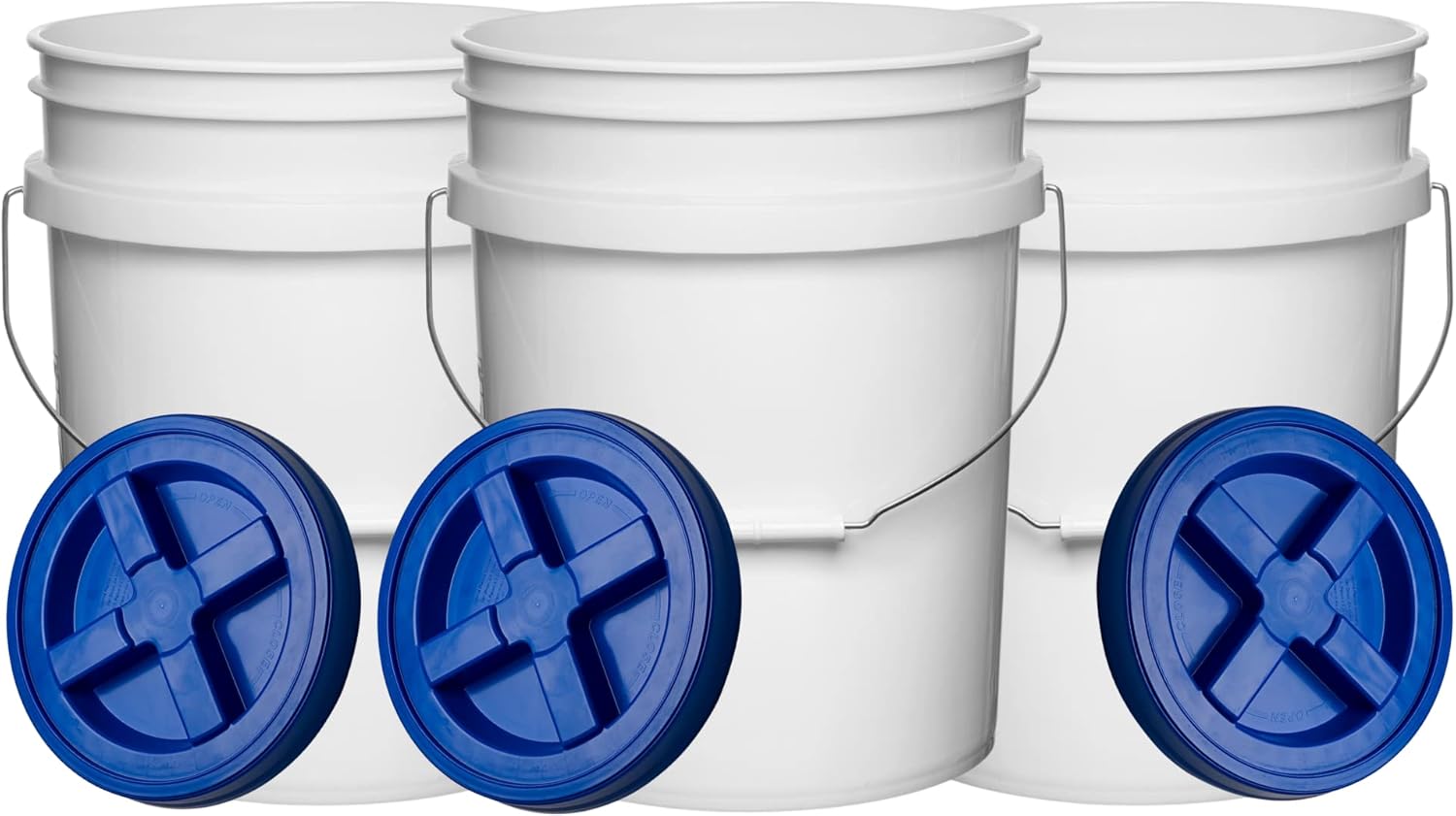 House Naturals 5-Gallon Food Grade Bucket
This bucket offers strong structural reliability combined with certified food-safe materials. It is built using durable HDPE plastic designed specifically for long-term food storage applications.
The thick construction allows stacking without deformation, which is critical for maximizing pantry or bunker space. Its smooth interior helps prevent food particles from getting trapped and simplifies cleaning and rotation.
The bucket also pairs extremely well with Mylar bag systems, making it ideal for storing rice, beans, wheat berries, dehydrated foods, and freeze-dried meals.
For preppers building a serious food storage system, this option offers reliability and long-term durability.
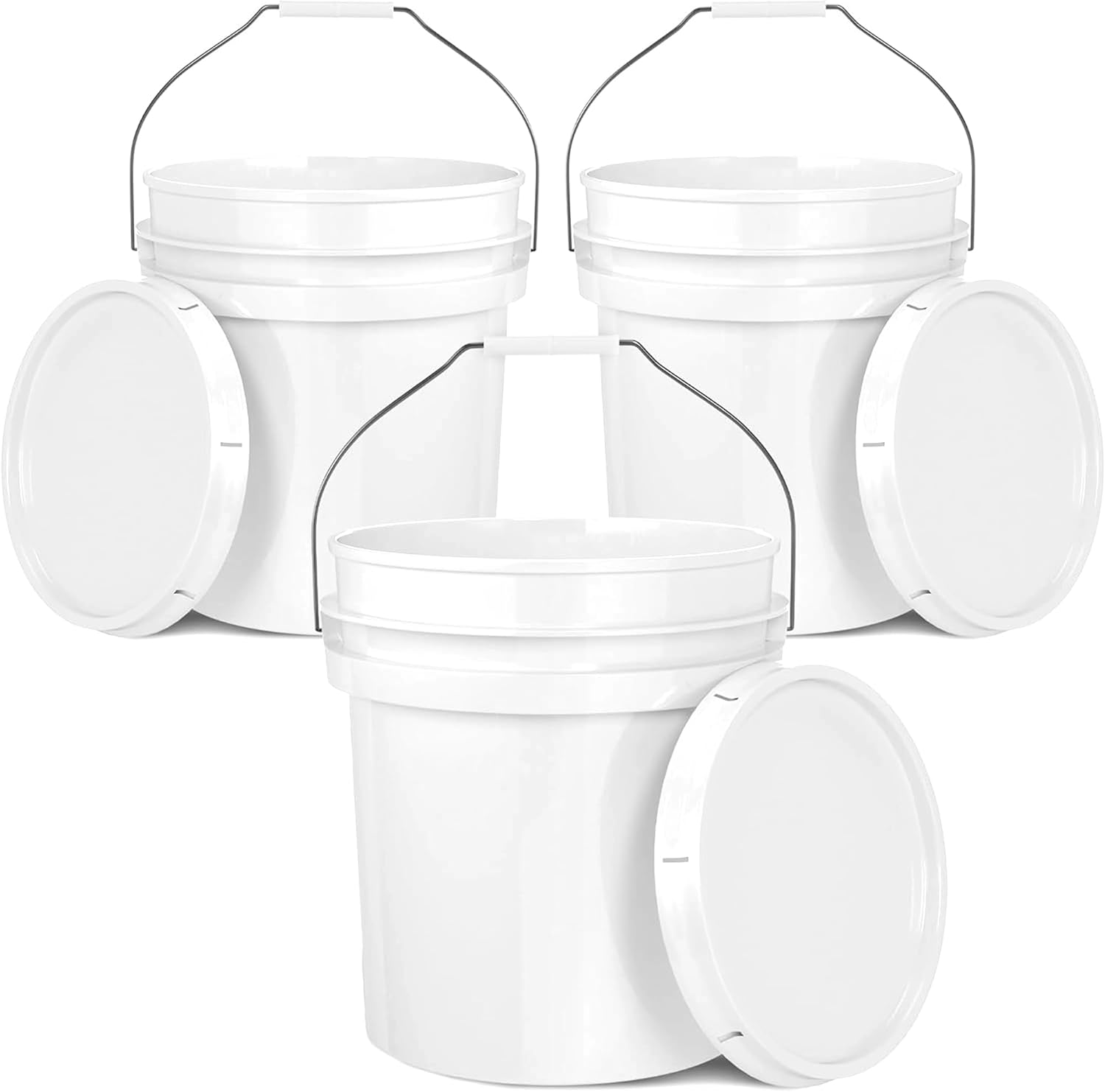 Heavy Duty 5-Gallon Multi-Use Food Storage Container
This heavy-duty container provides exceptional strength for those storing large quantities of bulk foods. Its reinforced design supports heavy stacking loads and long storage periods.
The bucket is built to withstand harsh environments such as garages, basements, and off-grid storage locations where temperature shifts are common. Strong carrying support makes it ideal for bug-out supply movement or emergency relocation.
Its durability makes it especially useful for storing dense survival foods like grains, flour, sugar, and dehydrated vegetables.
For preppers looking for maximum toughness and long lifespan, this bucket provides strong protection for emergency stockpiles.
Which Foods Should Be Stored In Food Grade Buckets
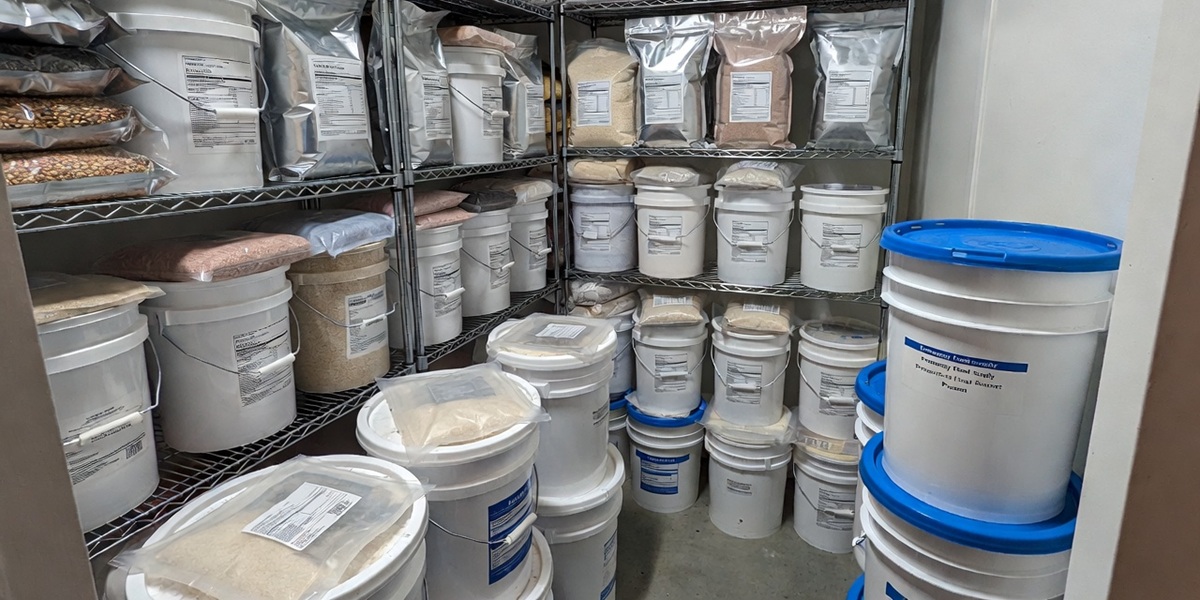
Food grade buckets excel at protecting bulk survival staples. When paired with proper storage methods, many foods can last 20 to 30 years or longer.
Excellent foods for bucket storage include:
- White rice
- Dry beans
- Wheat berries
- Rolled oats
- Dehydrated vegetables
- Pasta
- Sugar
- Salt
- Cornmeal
- Powdered milk
Avoid storing foods with high oil content such as brown rice or nuts unless rotated regularly, as oils shorten shelf life. You can learn about foods that would last a century from this video:
How To Properly Store Food Using Buckets
Simply pouring food into a bucket is not enough for long-term preservation. Smart preppers follow a layered storage system that dramatically increases shelf life.
Use Mylar Bag Liners
Mylar bags create a secondary oxygen and moisture barrier inside the bucket. This dramatically increases food longevity.
Add Oxygen Absorbers
Oxygen absorbers remove residual air trapped inside the container. This prevents mold growth, slows nutrient loss, and eliminates insect survival.
Store Buckets In Cool, Dark Locations
Heat is one of the biggest enemies of food storage. Every 10 degrees increase in temperature can significantly reduce shelf life. Basements, root cellars, and climate-controlled storage areas provide ideal conditions.
Common Mistakes When Buying Food Grade Buckets
Even experienced preppers sometimes overlook critical details when purchasing storage containers.
One major mistake is buying buckets without verifying food-safe materials. Another is using lids that are not airtight, allowing oxygen to slowly degrade food supplies.
Related: 10 Myths About Storing Food In 5-Gallon Buckets
Some preppers also underestimate the importance of storage location. Buckets stored in hot garages or exposed sheds lose shelf life quickly, regardless of container quality.
Avoiding these mistakes protects your investment and ensures your stored food remains viable when you need it most.
Why Every Prepper Should Stockpile Food Grade Buckets
Food storage is not just about quantity. It is about preservation, safety, and reliability during long-term emergencies. Food grade buckets offer one of the most affordable and effective ways to secure bulk survival food.
They allow you to build large food reserves while protecting against contamination, spoilage, and environmental threats. In true crisis situations, properly stored food can become more valuable than money or precious metals.
Prepared families invest in protection before disaster strikes.
Final Thoughts
Choosing the best food grade buckets is a critical step in building a dependable survival pantry. The right containers protect your food, extend shelf life, and ensure your emergency supply remains safe for years.
Reliable options like the House Naturals bucket and heavy-duty storage container provide strong, long-lasting protection for bulk survival foods. When combined with proper storage techniques, they create one of the most dependable preparedness systems available.
Your food supply is only as strong as the container protecting it.
Build A Survival Pantry That Truly Lasts
If you are serious about long-term preparedness, choosing proper storage containers is only the beginning. Knowing what foods to store, how to preserve them, and how to rotate them properly can mean the difference between survival and starvation.
That is exactly why thousands of preppers rely on The Lost Ways to build real food security.
Inside this guide, you will discover:
- Forgotten food preservation methods used before refrigeration
- Long-term storage techniques that extend food shelf life dramatically
- Historical survival meals designed to sustain families during crises
- Step-by-step instructions for building resilient food stockpiles
- Proven self-sufficiency strategies used during economic collapse
This is the type of knowledge that helps families stay fed when supply chains fail and grocery shelves empty overnight.
👉 Click here to learn how to build a food storage system that can sustain your family when it matters most.
You may also like:
Your Get Home Bag
Break Free from the Water Grid with Just $270 and One Hour of Your Time (Video)
A Navy SEAL’s Bug-In Guide: Book Review
How to Seal Mylar Bags with a Clothes Iron: The Old Prepper’s Trick
Read the full article here