
NEWYou can now listen to Fox News articles!
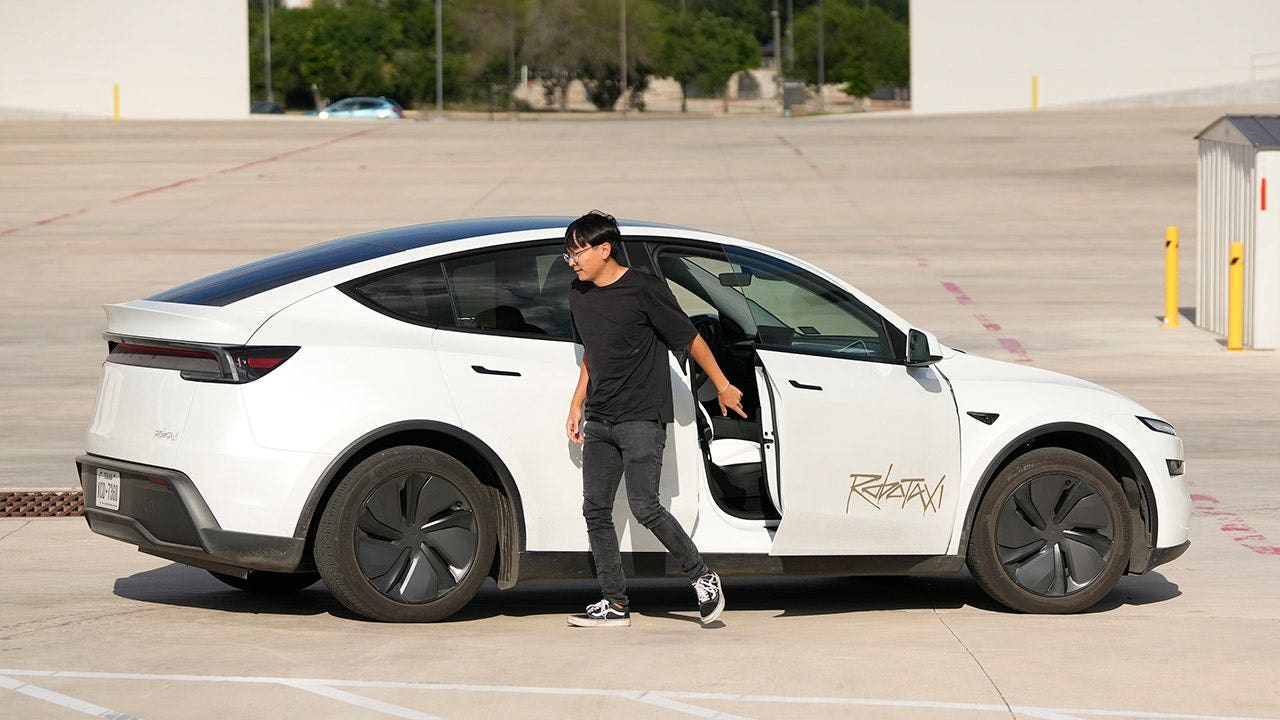
Tesla’s robotaxi dream has rolled into Miami. That sounds like a big moment, especially if you have ever sat in South Florida traffic and wondered whether a car could do better without a tired human behind the wheel.
For now, though, the rollout looks careful and limited. Tesla says Robotaxi service is available in limited areas of Miami, Florida as well as Austin, Dallas and Houston, Texas. The Robotaxi app also shows a visual map of where rides are available based on your location.
That means Miami is now Tesla’s newest robotaxi market, but this is not a citywide launch yet. It also puts Tesla in a busy autonomous ride-hailing market where Waymo and Amazon’s Zoox are already trying to win over riders.
Free live CyberGuy class: Sick of Spam? Join us July 22
Join us Wednesday, July 22, at 1 PM ET for a free CyberGuy Live class that will help you cut down on robocalls, spam texts, junk email and other unwanted messages. Kurt “CyberGuy” Knutsson will walk you step by step through simple ways to filter spam, clean up your inbox and recognize the messages that could put your personal information at risk. No technical experience is needed. You’ll also receive our spam-stopping checklist, and every registrant will get a link to the class recording afterward.
Reserve your free spot today at CyberGuyLive.com.
TERRIFIED PASSENGERS FILM WAYMO AUTONOMOUS VEHICLE DRIVING INTO LIVE FIREWORKS IN SAN FRANCISCO
Why the Tesla Robotaxi Miami service area is limited
The biggest thing to know is that Tesla Robotaxi does not cover all of Miami. Tesla’s Miami geofence covers only a small slice of the metro area, mostly around West Miami and a strip toward Doral and Sweetwater. The early map leaves out downtown Miami, Miami Beach, Miami International Airport and most of Miami-Dade.
So, even though “Miami” is in the headline, your actual ride options depend on where you stand and where you want to go. If you are trying to get from Miami Beach to Brickell after dinner, Tesla Robotaxi may not help you yet. If you are inside the service zone, the app should show what is available before you book.
That limited map also tells you something about the challenge ahead. Miami is not an easy place to prove out robotaxis. Traffic moves fast, rain can hit hard and drivers do not always behave the way software might expect.
Tesla has been building toward this moment for years. CyberGuy previously covered how the Tesla Cybercab removes the steering wheel entirely, which shows how far Tesla wants to take autonomous transportation. For now, though, the Miami rollout still uses Model Y vehicles. That makes this launch another step in Tesla’s longer robotaxi push.
Tesla Robotaxi expansion is moving city by city
Tesla’s robotaxi rollout is still happening in careful stages. Austin came first, followed by Dallas and Houston. Miami now marks Tesla’s first Robotaxi market outside Texas.
CyberGuy previously reported that Tesla cleared Nevada streets for robotaxi testing, which showed the company was preparing for more markets before opening the app to more riders. Tesla has also named other planned cities, including Orlando, Tampa and Phoenix.
ZOOX ROBOTAXI REDESIGN BRINGS BIG RIDER UPGRADES

Tesla Robotaxi faces Waymo and Zoox in Miami
Tesla is not entering an empty market. Waymo and Amazon’s Zoox are also accelerating their autonomous vehicle efforts. CyberGuy recently covered how Waymo’s cheaper robotaxi tech could help driverless rides reach more cities faster. Zoox is also a major name to watch in this race. CyberGuy reported that Amazon’s Zoox updated its steering-wheel-free robotaxi with more rider comfort, larger cupholders and a calmer cabin design.
That competition puts pressure on Tesla. Tesla has the brand recognition and a massive base of vehicles on the road. Waymo has more experience with public driverless rides. Zoox is betting on a vehicle built from the ground up for autonomy. For you, that competition could lead to better service over time. More companies fighting for rides may mean wider coverage, better pickup spots and faster improvements.
Tesla Robotaxi safety questions remain
The safety questions are not going away anytime soon. According to a recent review of federal crash data filed with NHTSA, Tesla’s autonomous driving reports included 17 crash narratives tied to the Robotaxi program. That does not mean every reported crash points to a system failure. Still, riders should not ignore the data either.
Autonomous vehicles have to earn trust in everyday driving moments. A rough pickup, confusing stop or strange turn can make you nervous fast. CyberGuy has covered similar safety concerns across the robotaxi space, including a Waymo recall over construction-zone risk. That recall showed how work zones can challenge autonomous systems when signs, cones and lanes change quickly.
Tesla also faces broader scrutiny around Full Self-Driving behavior. CyberGuy previously reported on Tesla’s Mad Max mode in Full Self-Driving, which brought fresh debate over speed, supervision and driver-assist safety.
How to take a Tesla Robotaxi in Miami
To take a Tesla Robotaxi in Miami, you start in the Robotaxi app. Tesla says you need a mobile device to request a ride, and the ride can only be booked for you. Before you confirm, check the service area in the app. Do not assume Robotaxi covers the full city. A ride may work in one part of Miami and fail if your pickup or drop-off sits outside the current zone.
The app shows a price estimate before you confirm. During the ride, you can adjust things like climate, seat position and media through the app or the car’s touchscreen.
Also, keep your phone charged. That phone becomes a key part of booking, managing and finishing the ride.
Finally, pay attention during the trip. You may not be driving, but you should still stay aware of where the car stops and how it handles the ride.
ZOOX ROBOTAXI REDESIGN BRINGS BIG RIDER UPGRADES

Kurt’s key takeaways
Tesla Robotaxi arriving in Miami is no doubt a big headline, but the fine print is important too. I would not treat this as a full Miami transportation option yet. The service area is limited, major destinations are missing and safety questions remain part of the story. That does not kill the excitement. It simply means Tesla still has to prove that Robotaxi can work beyond a small map. I like that Tesla is expanding beyond Texas. I can also see why people would want to try this. But for now, I would call this a significant step with a lot to prove.
Would you trust a Tesla Robotaxi to drive you through Miami traffic, or would you wait until the service has more miles under its belt? Let us know by writing to us at CyberGuy.com.
CLICK HERE TO DOWNLOAD THE FOX NEWS APP
Sign up for my FREE CyberGuy Report
- Get my best tech tips, urgent security alerts and exclusive deals delivered straight to your inbox.
- For simple, real-world ways to spot scams early and stay protected, visit CyberGuy.com – trusted by millions who watch CyberGuy on TV daily.
- Plus, you’ll get instant access to my Ultimate Scam Survival Guide free when you join.
Copyright 2026 CyberGuy.com. All rights reserved.
Read the full article here