For thousands of years, Native American tribes survived on this land without pharmacies, urgent care clinics, or overnight shipping. They faced brutal winters, infected wounds, food shortages, and long stretches far from any help. Their survival depended on knowledge passed down through generations, and much of that knowledge was carried in something small but powerful: the medicine bag.
This precious bag held items meant to heal and strengthen the body. They were practical tools chosen with care, often gathered from the wild, and trusted in times of crisis. Each item inside had a clear purpose. Some stopped bleeding. Others calmed coughs, eased pain, or protected against infections. People did not carry dozens of remedies. They carried the ones that worked.
Today, we depend on fragile supply chains and prescription refills that arrive on schedule and wrongly assume those systems will always function. History suggests otherwise.
If transportation shuts down, if civil unrest spreads, or if another large-scale emergency freezes movement across states, what will you rely on? When pharmacies close or shelves empty, ancient knowledge may once again become relevant.
Yarrow (Nature’s Wound Sealer)
 For many Native American tribes, yarrow was one of the most trusted plants to carry during travel and hunting. Injuries could happen far from camp, and losing blood in the wilderness was a serious threat. Yarrow offered a fast and reliable way to control bleeding when no other help was available.
When someone was cut, the fresh leaves were crushed firmly between the fingers until their juices were released.
The crushed plant was then pressed directly into the wound and wrapped with cloth, leather, or plant fibers. The plant helped slow bleeding and supported the body’s natural clotting process.
Yarrow grows widely across North America, especially in open meadows, fields, and along roadsides. Once you learn to recognize its feathery leaves and clusters of small white flowers, you will start noticing it in many places during the warmer months.
Beyond wound care, this amazing plant was also used to make healing oils and salves. The flowers and leaves can be slowly infused in oil and thickened with beeswax to create a protective ointment that helps soothe irritated or damaged skin.
Of course, harvesting and preparing yarrow properly takes time and experience. A much easier option is using a ready-made tincture. I personally recommend this Yarrow Tincture made by medical professionals, widely considered one of the best available. It’s concentrated, reliable, and ready to use when you need it. I bought it from here.
Sage (Spirit Cleanser and Healing Properties)
Many tribes burn sage for purification, yet the effect is not only symbolic. Sage smoke contains compounds that reduce certain airborne bacteria in enclosed spaces. Even modern studies confirm that controlled burning of medicinal plants like sage can lower microbial counts in the air for a period of time.
So in SHTF situations like a chemical spill, industrial accident, or when strange fumes start drifting through your area, burning sage may help refresh and cleanse the air inside your home.
To use sage properly, you have to follow these steps:
- Harvest healthy sage leaves and dry them completely in a shaded, well-ventilated area until they become crisp.
- Tie the dried leaves into a tight bundle so they burn slowly instead of flaring up.
- Place the bundle in a fireproof container such as a cast iron bowl or a thick ceramic dish.
- Light the tip of the bundle and allow it to catch flame briefly.
- Blow out the flame so the bundle produces steady smoke.
- Let the smoke move through the room, especially into corners and enclosed areas.
This is where it gets interesting. When sage is infused into three types of oil, it becomes a powerful skin balm. It can help calm painful herpes and shingles rashes – and if you have ever dealt with them, you know how stubborn and slow they are to heal. My conclusion is that this simple balm works better for me than many store-bought creams.
If you want to try it yourself, check out this amazing recipe for the Soothing Sage Anti-Viral Oil.
Wild Lettuce (Nature’s Painkiller)
 Among the lesser-known plants used for pain relief is Wild Lettuce, sometimes called “nature’s opium” because of the calming sap found inside the plant’s stem.
Indigenous communities and later herbalists discovered that the milky latex from the plant had properties that could calm the nervous system and reduce discomfort.
The plant grows widely across North America in fields, roadsides, and open ground, which makes it accessible to people who know how to recognize it.
In a survival situation, pain management becomes extremely important. Injuries from chopping wood, hauling water, or traveling long distances can make simple tasks difficult. So plants like Wild Lettuce offered a way to reduce discomfort without relying on manufactured drugs.
According to Native traditions, wild lettuce can be dried and prepared into tinctures or concentrated extracts. Dr. Nicole Apelian shares a remarkable recipe called Painkiller in a Jar. Inspired by native medicine, this simple DIY remedy transforms a humble plant into a powerful natural pain reliever.
I tried it myself, and the results honestly surprised me. It worked so well that it quickly became a staple in our home. Now my whole family uses it, and we make sure there’s always a fresh jar sitting in our medicine cabinet.
Turkey Tail Mushroom (The Immune Defender)
 Turkey Tail is one of the most researched medicinal mushrooms in the world, and scientists are still uncovering what it can do.
Some of its compounds are so powerful that extracts from this mushroom have been studied alongside modern cancer treatments for their ability to support the immune system.
But long before laboratories began studying it, Native American tribes already knew this mushroom was something special. They gathered Turkey Tail from fallen logs and decaying trees and used it as a powerful medicinal tonic to help the body recover from illness.
The mushroom grows in layered fans that look like the tail feathers of a wild turkey. You can find it across North America on rotting hardwood logs, forest floors, and old tree stumps. Native Americans would dry the mushroom and simmer it for hours to make a strong medicinal tea. The dark, earthy broth was used when someone was weak, sick, or struggling to recover.
But what made Turkey Tail so valuable was its effect on the immune system. These preparations were believed to strengthen the body from the inside out, helping it fight infections, recover faster, and build resilience against future illness. In a time without modern medicine, this mushroom was often seen as one of nature’s strongest allies for survival.
This same tradition continues today in this amazing Turkey Tail Mushroom Tincture, which concentrates the powerful compounds found in the mushroom into a potent, shelf-stable extract. So, instead of spending hours foraging and simmering mushrooms, a good tincture delivers the same immune-supporting benefits in a form that’s easy to store and use whenever your body needs extra support.
Activated Charcoal (The Poison Filter)
Several Native American tribes used charcoal for stomach trouble after eating spoiled food or drinking bad water. The reason it works is simple: charcoal traps certain toxins in the digestive system before they move deeper into the body.
But what makes charcoal truly useful is its binding ability. It acts like a sponge inside the gut, attaching to specific poisons and carrying them out of the body. In fact, doctors still use activated charcoal today in emergency rooms for certain poisoning cases, especially when it is taken early. That alone tells you this is not some outdated folk remedy.
When I want to give my digestive system a boost (I have a slow metabolism), I drink charcoal. After discovering this black milk recipe, I never went back to anything else. Give the recipe below a try – it’s simple, effective, and a solid way to support your gut:
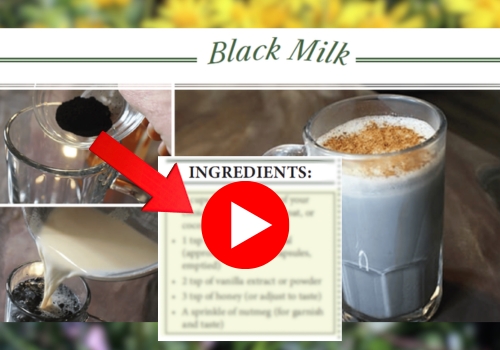
Activated charcoal is one of those remedies you need to have at home at all times, along with these 10 life-saving medicines. The best part is that it costs almost nothing to make, stores well for long periods, and can become extremely valuable if medical care is not immediately available.
Black Walnut (Natural Parasite Cleanser)
Black Walnut trees were widely known among Native American tribes for both their food and medicinal value. The green outer hull surrounding the nut contains compounds traditionally used to deal with intestinal parasites.
When prepared correctly, the hull can be turned into tinctures or extracts that support digestive health. Herbalists still rely on this plant today in remedies such as Anti-Parasitic Black Walnut Drops, which follows the same traditional idea of cleansing the digestive system.
Parasites and contaminated food become a much larger threat when sanitation systems fail or water sources become unreliable. In older communities, remedies like Black Walnut were valuable tools for protecting the body from infections that could slowly weaken a person over time.
Naturalists often recommend using Black Walnut drops together with this Reishi Mushroom Tincture. While Black Walnut helps cleanse the body, Reishi is the real powerhouse, strengthening immunity and calming inflammation. Together they create a strong natural boost that helps your body reset and defend itself.
The Plants that Saved America
Native Americans placed enormous value on medicinal plants because their survival depended on them. They knew exactly which roots stopped bleeding, which leaves cleared the lungs, and which berries strengthened the body during illness.
That knowledge became critical when European settlers first arrived in North America. Many of them faced unfamiliar diseases and infections, while the remedies they brought from Europe often proved weak or ineffective in the new environment. Native plant medicine filled that gap, and in many cases it helped settlements survive the early years.
This is why learning to recognize medicinal plants matters. When you know what grows around you, the land itself becomes a pharmacy. A good place to start is with a reliable plant identification guide like the Forager’s Guide, that teaches you how to safely recognize useful plants growing across North America.
The next step is making sure you always have these remedies available. Stockpiling medicinal plants is smart, but the real advantage comes from being able to grow them yourself whenever you need them. That is why many experienced preppers keep a medicinal seeds kit ready. It ensures the plants that once filled Native American medicine bags can still grow in your own backyard, no matter what happens to supply chains.
But above all, my favorite resource is The Forgotten Home Apothecary. The homemade herbal remedies in this book were compiled by an experienced doctor who drew inspiration from the rich plants growing across our country and from Native American knowledge.
Many of these remedies helped early Americans survive famine, the Great Depression, and wartime shortages. As a prepper, you should understand that one day your life could depend on simple remedies like these if things ever fall apart.

Final Thoughts
For thousands of years, survival on this land depended on knowing which plants healed, which stopped bleeding, and which strengthened the body during illness. That knowledge was not a hobby. It was the difference between recovery and death when no doctor was within hundreds of miles.
Today we rely on pharmacies, hospitals, and supply chains that seem permanent, yet history shows how quickly those systems can fail during war, disasters, or widespread shortages. When that happens, the people who understand even a fraction of this old knowledge gain a powerful advantage.
You may also like:
 Doomsday-Proof Medicinal Stockpile
This Stockpile Challenge Will Show You If You Are Ready for a Disaster (VIDEO)
Manuka Honey For Wound Care
How To Make Yeast the Old-Fashioned Way
10 Weird Items You Can Barter in a Post-Crisis World
Read the full article here