

NEWYou can now listen to Fox News articles!
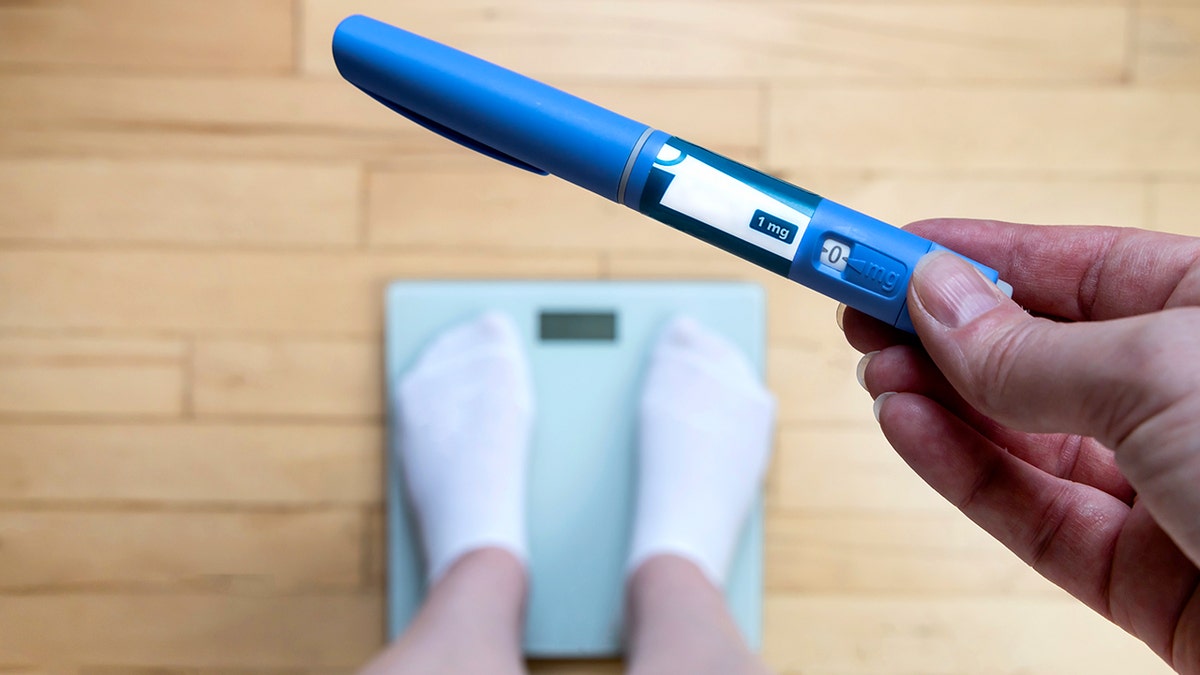
Longtime talk show host Oprah Winfrey is opening up about her recent weight-loss success after sticking to a GLP-1 (glucagon-like peptide-1).
Winfrey, 71, began taking a GLP-1 medication in 2023, but attempted to quit after six months to see if she could lose weight without it, according to a recent interview with People Magazine.
Even when sticking to her diet and exercise routines, the media mogul said she gained back 20 pounds after stopping the drug.
NEW WEGOVY PILL OFFERS NEEDLE-FREE WEIGHT LOSS — BUT MAY NOT WORK FOR EVERYONE
“It’s going to be a lifetime thing,” she shared. “I’m on high blood pressure medication, and if I go off the high blood pressure medication, my blood pressure is going to go up. The same thing is true now, I realize, with these medications. I’ve proven to myself [that] I need it.”
Winfrey revealed that her “default weight,” at 211 pounds, was not healthy, as she was pre-diabetic and had high cholesterol.
In a recent interview with CBS News, Winfrey revealed that she is now down to 155 pounds, which she aims to maintain.
“The combination of the medication and hiking every day and resistance training has given me the body that I had when I was running a marathon,” she said. “So, I was 40 and feeling really good, but to be able to be 71 and feel that I am in the best shape of my life feels better than it did when I was 40.”
WHAT ARE GLP-3S? MEET THE NEW GENERATION OF WEIGHT-LOSS DRUGS WITH THREE KEY INGREDIENTS
In a new episode of “The Oprah Podcast” this week, Winfrey welcomed guest Dr. Ania Jastreboff, an endocrinologist and associate professor at the Yale School of Medicine, to discuss GLP-1 weight-loss medications and her own personal journey. The two also co-authored the new book “Enough.”
Winfrey shared that she initially questioned using weight-loss drugs due to the stigma surrounding them.

“One of the reasons I was reluctant to use them in the beginning, when I was trying to lose weight after my knee surgery, [is] because I also felt it’s cheating, it’s the easy way out,” she said. “I’ve got to prove this one last time I could do it by myself. And I don’t want people saying I took the easy way out.”
OPRAH JOINS WAVE OF CELEBRITIES WHO REVEALED DRAMATIC WEIGHT LOSS IN 2025
“I think that that’s one of the major issues that people who are now open to using the drugs are experiencing from their friends or colleagues, their families and also within themselves.”
As one of the most influential figures in American media, Winfrey said she was “publicly humiliated” for her weight for 25 years.
“I don’t want people saying I took the easy way out.”
“Every time any comedian wanted to make fun or make a joke about it — they could make a joke about it. And I accepted it because I thought I deserved it,” she said. “I accepted it. I was shamed by it and I received it, because I thought, ‘Well, they’re right.’ Now I know they were so wrong.”
CLICK HERE TO SIGN UP FOR OUR HEALTH NEWSLETTER
Winfrey noted that many overweight people, even those who aren’t on TV every day, have experienced the same “level of shame and embarrassment” for being unable to control their weight.
“It feels like the punishment you deserve,” Winfrey said.
“It’s absolutely the opposite,” Jastreboff responded. “And none of this is in our control. Somehow, in society, we think that how much we weigh is in our control. And it’s not. Our brain is in control.”
CLICK HERE FOR MORE HEALTH STORIES
Winfrey likened this to the brain of an addict, noting that obesity is now considered a disease just as much as addiction.
“All these years, I thought that thin people … just had more willpower, they ate better foods, they were able to stick to it longer, they never had a potato chip,” she said.
CLICK HERE TO DOWNLOAD THE FOX NEWS APP
“And then I realized the very first time I took the GLP-1 that … oh, they’re not even thinking about it. They’re only eating when they’re hungry, and they’re stopping when they’re full.”
Jastreboff agreed that while obesity is “not an addiction,” the “food noise,” or impulse to eat, uses the same pathways in the brain.
The discussion continued with guest Amy (last name withheld), a GLP-1 patient who lost 160 pounds in one year. She shared that in her experience, shaming by the public persists. Jastreboff responded that there is “no winning.”
“You’re shamed if you have obesity. You’re shamed if you don’t try to lose weight. You’re shamed if you lose weight,” the doctor said. “You’re shamed if you use the medicines, if you don’t use the medicines … there’s literally no winning.”
TEST YOURSELF WITH OUR LATEST LIFESTYLE QUIZ
“What’s right is to stop shaming and blaming people … [when] you’re taking care of your health.”
GLP-1 medications have been linked to several side effects, primarily gastrointestinal in nature. These commonly include nausea, vomiting, diarrhea, constipation and abdominal discomfort. Less frequently reported effects include fatigue, dizziness and reactions at the injection site.
People interested in taking GLP-1s should consult a doctor about recommended dosage and potential risk factors.
Read the full article here