

Exposed Fauci diary shows he estimated COVID-19 death rate to be much lower than what he told Congress


NEWYou can now listen to Fox News articles!
Entries from early 2020 in a now-exposed personal diary kept by Dr. Anthony Fauci during the COVID-19 pandemic show that he privately estimated the death rate from the illness was significantly lower than what he told Congress under oath only weeks later.
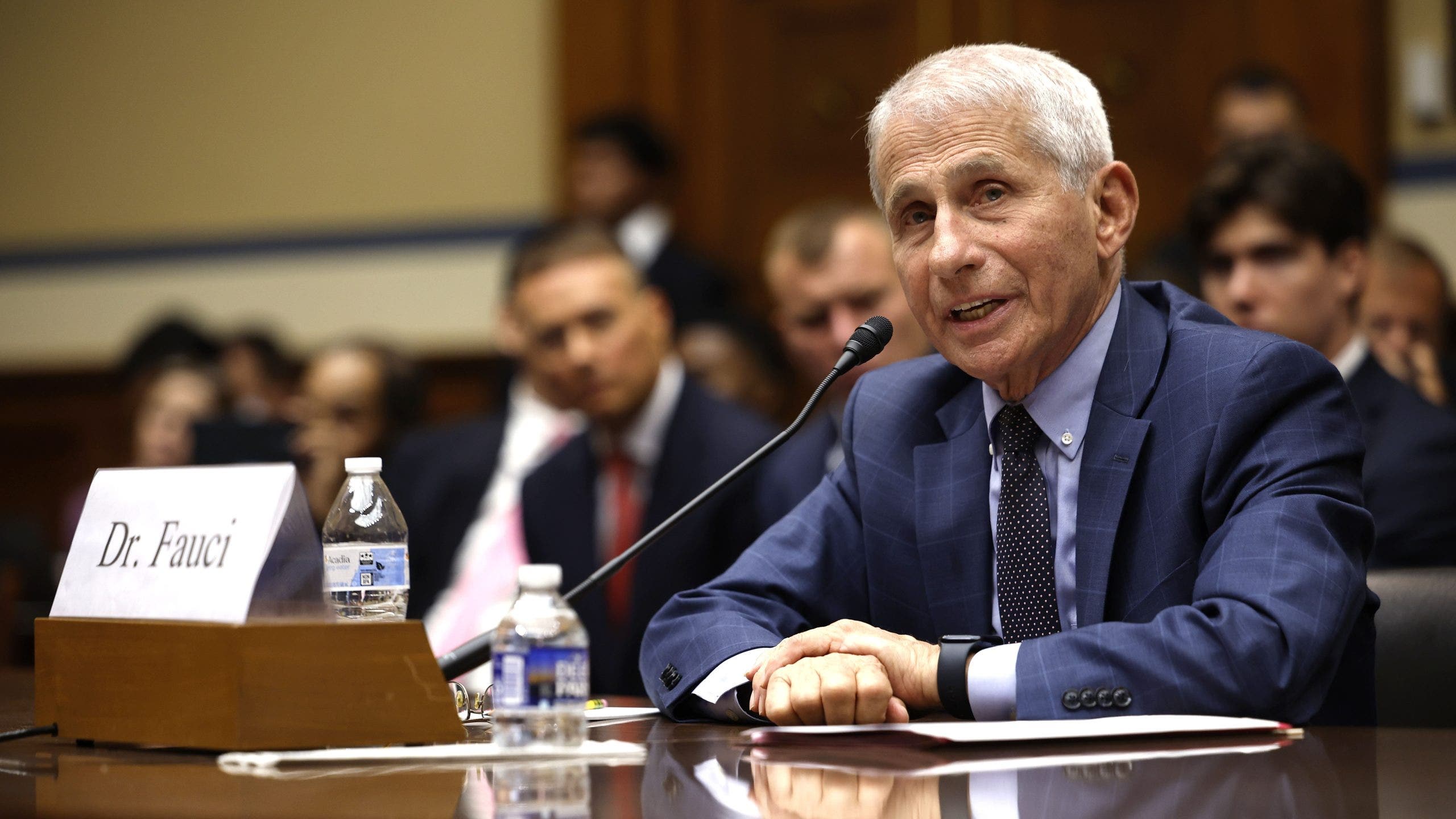
Fauci, 85, has come under intense scrutiny for years regarding his approach leading the U.S. response to the coronavirus pandemic, and his alleged links to the Chinese lab where the virus originated. He will return to Capitol Hill on Wednesday before the Senate Homeland Security and Governmental Affairs Committee to speak about his newly publicized personal records.
“The stated mortality over all of this when you look at all the data including China is about three percent. It first started off as two and three,” Fauci said in testimony before the House Oversight Committee on March 11, 2020, according to a transcript of the hearing.
LEGACY MEDIA IGNORES MASSIVE ANTHONY FAUCI DOCUMENT RELEASE ALLEGING HE MISLED CONGRESS ON COVID ORIGINS
During the hearing just weeks into the virus reaching the U.S., he was asked by Rep. Michael Cloud, R-Texas, to compare the mortality from COVID-19 to the mortality of the seasonal flu.
“I think if you count all the cases of minimally symptomatic or asymptomatic infection, that probably brings the mortality rate down to somewhere around one percent, which means it is 10 times more lethal than the seasonal flu,” Fauci continued. “I think that is something that people can get their arms around and understand.”
But on Feb. 8, 2020, about a month before that congressional testimony, Fauci expressed privately that he believed the virus’s mortality rate was much lower than what he later told lawmakers.
“[Former CDC Director] Tom Frieden called me this AM and we discussed various aspects of the outbreak,” Fauci wrote. “He and I are on the same page in thinking tht [sic] this is acting like a bad influenza in its transmissibility and that the denominator is much greater than 34,867 (above) making the case fatality rate (CFR) more like 0.2-0.3 % rather than 2.0%.”

FAUCI’S NEWLY RELEASED COVID DIARIES REVEAL BIZARRE FIXATION ON FAME AS PANDEMIC DEATHS MOUNTED
At that time, Fauci had counted 34,687 cases of the virus, and 724 fatalities, according to his diary, which equals just over 0.2%.
Fauci was the director of the National Institute of Allergy and Infectious Diseases (NIAID) during the pandemic, and first became the face of combatting COVID-19 at the onset of the pandemic during President Donald Trump’s first term, and remained in the role under President Joe Biden until retiring in 2022.
The very influential position wasn’t lost on Fauci. His diary entries tracked his rising influence and press appearances, and he meticulously kept track of how he was portrayed.
“Big front page article abut me appeared in the Washington Post. Very flattering. The situation with my national and international fame is explosive and really unimaginable,” he wrote in a diary entry on May 21, 2020.
“It is not hyoperbole [sic] to say that today I am the most famous and talked about person in the country and one of the most recognizable peson in the world,” he continued.

INSIDE FAUCI’S PRIVATE DIARY: WHAT HE WROTE ABOUT TRUMP, TV PERSONALITIES AND CELEBRITIES
Fauci noted that he was developing a “very unique and interesting relationship” with Trump.
His diary is adorned with screenshots of headlines that mentioned him, including a New York Times story from March 2020 titled, “Not His First Pandemic, Dr. Anthony Fauci Sticks to the Facts.”
He referenced another Washington Post article in his diary on Aug. 8, 2020, titled, “As Fauci battles the pandemic and politics, his grateful neighbors celebrate him as a hero.”

CLICK HERE TO DOWNLOAD THE FOX NEWS APP
Fox News Digital reached out to Georgetown University and the Georgetown University Department of Public Health, where Fauci serves as a distinguished professor at the university’s school of medicine, seeking comment on the journal entries versus public statements.
Fox News Digital also reached out to Paul’s office but did not hear back by time of publication.
Read the full article here
