
The New World screwworm has spread to the United States, prompting the United States Department of Agriculture (USDA) to partner with the Department of Homeland Security (DHS). The USDA awarded a combined $105 million to 40 different projects aimed at stopping the spread of New World Screwworm.
Some of these projects include dogs, artificial intelligence drones, and fungi.
Twelve animal cases of screwworm have been confirmed in Texas and New Mexico. The parasite has been confirmed in cattle, sheep, goats, and a dog. Of these 12 cases, 11 are currently active. No cases have been reported in wildlife yet.
New World Screwworm Cases Reported In US
According to data on the US Centers for Disease Control and Prevention’s (CDC) website, the New World screwworm (NWS) is a fly that lays its eggs in open wounds and body openings such as the eyes, ears, nose, mouth, or genitals.
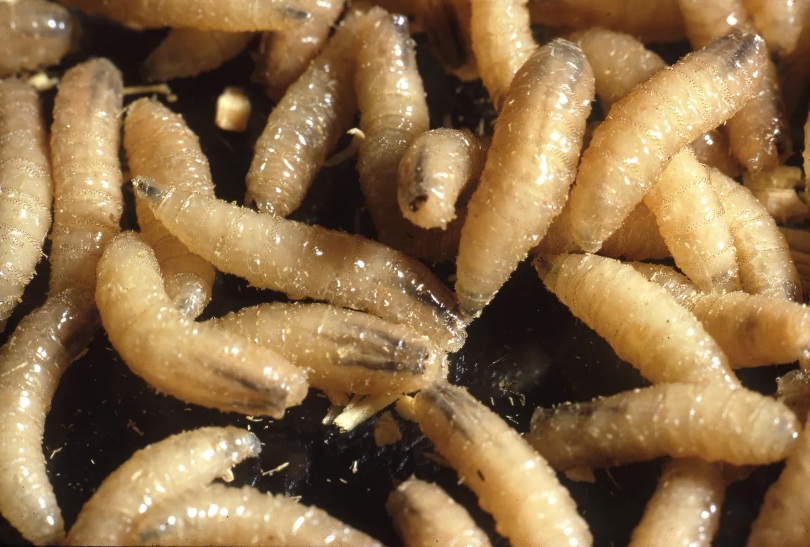
NWS eggs hatch into parasitic maggots that burrow into and feed on living tissue or flesh. You are at higher risk for NWS if you live or travel to areas where NWS flies are found, spend a lot of time outside where flies are, or have an open wound.
The partnership between the USDA and DHS would work to eradicate the screwworm parasite. “It’s going to a whole new level of partnership,” U.S. Agriculture Secretary Brooke Rollins said during a call with reporters on Monday.
Rollins said that the US would use AI drones to monitor wildlife and enlist the help of 40 research projects that would be funded via a grant program launched earlier this year. Additionally, the agency said it is in talks to partner with the U.S. Department of Homeland Security (DHS) to deploy the AI-controlled drones.
Other strategies could be employed as well, and the details of those would be forthcoming, according to a report by The Texas Tribune.
“These are the kinds of innovations that will help us stay ahead of this pest and protect our food supply and our economy, protecting the way of life of our ranchers and go towards rebuilding our cattle herd to lower consumer prices on grocery store shelves,” Rollins said in a news release Tuesday. “We know we have tried-and-true tools and methods to defeat this pest, but we must constantly look for new and better methods and innovate our way to success.”
Read the full article here