Disasters and emergencies can be dirty, stinky, hazardous messes where you’ll want to protect your hands, skin, eyes, and airway. PPE, or Personal Protective Equipment, can help you with that protection.
PPE spans from typical everyday gear to safety gear and then to specialized equipment. It typically involves covering your body and protecting your vital functions critical to survival. Sometimes it’s rolled up into clothing or first aid gear because of this.
I’ve taught PPE strategies and equipment use in the military, so I’ll share the gear you’ll need to be prepared and a few strategies to help you out when you really need to protect yourself.
Contents (Jump to a Section)
We’ve decided to splinter our PPE guide into a separate guide from our clothing guide so that we can take a deeper look at the gear and skills needed. When you buy through our links, we may earn a commission. Disclosure»
Personal Protective Equipment
Protective equipment is usually grouped by threat rather than what it’s designed to protect. PPE that protects from everyday hazards like dust, smoke, and common biological hazards is used by most people, whether they know it’s PPE or not.
CBRN and tactical PPE are much more specialized and designed for asymmetric and/or lethal threat protection that is needed with extreme hazards and specific worst-case survival scenarios.
Everyday PPE
You already use some protective equipment frequently, and those can help immensely in emergencies. These include:
- Work Gloves – Gloves are versatile, from hand protection to keeping your digits warm. See our top picks from our survival gloves review.
- Protective Glasses – Our eyewear review covers protective glasses and sunglasses, as well as the goggles found below.
- Protective Goggles – Whether it’s for a CBRN event or dust protection, goggles are a smart addition to survival kits. Even a pair of swim goggles can do the trick- goggles will have you standing out anyway.
- Earplugs – Quite the noise, so you can concentrate, sleep, or just stay sane. Check out our earplugs review for the best kinds.
- Nitrile Gloves – Useful for first aid, sanitation, and CBRN tasks- nitrile gloves can be a survival kit workhorse. Find our favorites in our nitrile gloves review.
- Particulate Masks – Emergencies and disasters are typically dirty, dusty messes, and being able to protect your airway from typical dust and even some CBRN threats is worth having on hand.
CBRN PPE
CBRN (Chemical, Biological, Radiological, and Nuclear) events and exposure require specialized equipment to protect you from their hazards. Protecting your airways is first and foremost, followed by full-body coverage- sometimes even airtight.
- Full-face Respirators (Gas Mask) – If you are going to get a respirator, skip the half mask and protect your entire face with a full-face respirator. See whether you need an industrial mask or a full-featured CBRN mask in our gas mask review.
- Powered Air Purifying Respirators (PAPR) – PAPRs are more powerful than passive respirators, since they push air through the filter with a powered pump. They are great for top-tier protection in contaminated environments and useful for those who want to keep their beard with a gas mask (pair a PAPR with a chem hood for overpressure). Check out our favorites in our PAPR review.
- Hazmat Suit – Hazmat suits can help you create a liquid or vapor barrier against CBRN threats. Learn more about them and which ones to get in our hazmat suit review.
- Chemtape – A duct tape designed for sealing hazmat suits for vapor-tight seals. No need for a review, there is only one: Kappler Chemtape.
Tactical PPE
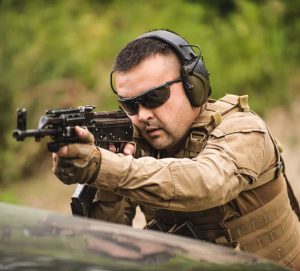
Many preppers opt to include helmets and body armor as part of their PPE loadouts. At TruePrepper, we place less emphasis on tactical PPE than most, finding it impractical in many scenarios, and running counter to the grey man concept. As a group of mostly veterans, we are familiar with the benefits of tactical PPE and load-bearing equipment (LBE), but we know that they are not practical for most people in common situations.
Nonetheless, you can prepare however you want- your preparedness plan can be whatever you decide it to be. If you want to run a tactical loadout, don’t let some website tell you what to do and live your life!
- Helmet – PGD Arch Gen3 Ballistic Helmet – Although you won’t find us reviewing a range of helmets extensively like our other gear, we can assure you this one is good to go.
- Plate Carrier – Crye Precision JPC 1.0 – A blend of strength, mobility, and airflow that’ll carry Level 4 plates
- Body Armor – RMA Ceramic RF3 Plates – Affordable Level 4 armor that shaves some valuable weight as well.
Decontamination
While protective gear keeps you safe from your environment, decontamination supplies can remove hazards once contact has occurred. Typically, decontamination is for CBRN exposure.
Decon Gear
Removing contamination from your protective clothing is done best by scrubbing it off (if it is impermeable) and then removing the clothing if you are able to. To do this, there are a few tools you can use:
- Water – Rinsing CBRN agents, dust, and other contaminants is possible and the easiest to access.
- Bleach – Bleach can neutralize most biological agents and some chemical agents. Create a diluted cleaning solution with water for mass decontamination.
- Scrub Brush – A long-bristled brush to agitate contamination off is useful, especially when paired with water-based solutions.
- Charcoal – The military uses activated carbon mitts (the M-295 is a common large-size) that are meant to help you pat down for fast decontamination after exposure.
- RSDL – No longer sold or used, but the Reactive Skin Decontamination Lotion was meant for skin exposure decontamination.
Decon Strategies
Besides using decontamination gear, there are a few strategies used for decontamination when it comes to CBRN hazards. Here are some of my favorites:
- Jump in a Pool – Chlorine-filled pools are effective and were often used in our emergency planning as overflow decontamination spots.
- Weathering – The protocol to decontaminate aircraft is for them to fly at low speeds and increase their drag. You can do the same with most vehicles- air drag is surprisingly effective at removing contamination.
- Clothing Layers – Stripping layers off (as long as you have layers underneath is an effective method for extremely fast decontamination. Layering nitrile gloves, hoods/hats, and jackets is particularly effective if you remove them and have a spare layer underneath.
Making Do With Less
While everyday PPE can be easy to justify, CBRN PPE can be a tough sell for those on a budget. Even used chemical protection gear is expensive, bulky, and may not protect you well unless you have been trained. Having a good fit on a gas mask is more important than the type of mask you have.
I taught thousands in the military on CBRN PPE, and regularly encountered people wearing their thousands of dollars’ worth of gear wrong. Meanwhile, people have been battling through tear gas effects with swim goggles and wet rags for decades.
It’s possible to make do on a budget. Having a shelter-in-place kit, with plastic sheeting and duct tape, is incredibly inexpensive and is like PPE for your home.
Shelter in Place
We have a whole guide on shelter-in-place, but the main idea is that you seal your home doorways, windows, and vents to create an airtight seal to keep CBRN elements out.
Chemicals and radiation both deteriorate over time, letting you stay relatively protected and shielded by your home until the hazard level is lower outside so you can evacuate. This typically takes significantly less than 72-hours, but you’ll still need to be prepared on a basic level to last that long.
Materials Instead of Gear
Even if you do need to end up putting on some PPE, people have been known to get inventive with gallon jugs for gas masks and trash bags for full-body coverage. If you have the supplies and the means to cobble something together, you may be able to battle through one of these rare events.
Like most things, knowledge is better than stuff for preparedness. But having both will make you a prepper.
Organizing PPE
Both PPE and clothing physically protect your body from a hostile environment. Because it is environment-driven protection, brown makes sense as a workhorse, earthy color. Some of the earliest PPE only came in brown, including leather work gloves and the early gas mask hoods. For all of these reasons, we assigned personal protective gear the color brown in our prepping organization categories.

Keeping PPE and clothing together in a category color makes sense- both are worn to protect your body. Barriers between your skin and the world around us are important enough, and a large enough group of supplies, that they warranted their own color for quick identification.
When you are travelling with PPE, fast access should be a priority. Gloves, earplugs, and eyewear should all be easily and quickly accessed from a pocket, clip, or admin pouch.
Gas mask leg holsters can make it so you can get your face and airways protected in mere seconds. Having communication devices and detection tools to know what threats are out there can help you be best positioned to protect yourself quickly.
The Final Word
Personal protective equipment helps you protect yourself from such a wide variety of threats and hazards that you can use the equipment every day or never at all.
You’ll find pieces of it in every survival kit list we have, ranging from the humble work gloves for protecting your hands to the sophisticated PAPRs keeping nerve agents at bay.
If you haven’t looked at clothing geared toward survival yet, you should head to that category. Otherwise, it’s time to move on to a very important topic: first aid and medical strategies in survival situations.
See more of our expert-written guides, resources, and reviews in your search results – add TruePrepper as a preferred source.
Prepping Your Way
No judgement and no imperatives. Prepare the way you want to with the trusted source millions of modern preppers have relied on.
Our newsletter fires out every Monday where you can expect:
- Practical prepping guides and tips
- Thorough survival gear reviews
- Noticeably absent spam and popups
Thanks for subscribing, supporting our cause, and improving your own resilience.
Read the full article here