
NEWYou can now listen to Fox News articles!
New York just hit pause on expanding robotaxis beyond New York City.
Gov. Kathy Hochul has withdrawn her proposal that would have allowed commercial robotaxi services in smaller cities across the state. That means places outside New York City will not see driverless ride services anytime soon.
If you live in Buffalo, Rochester or Albany, that future just got pushed further down the road. Meanwhile, one major player still plans to move forward inside the city.
Sign up for my FREE CyberGuy Report
Get my best tech tips, urgent security alerts and exclusive deals delivered straight to your inbox. Plus, you’ll get instant access to my Ultimate Scam Survival Guide — free when you join my CYBERGUY.COM newsletter.
Waymo moves forward despite New York robotaxi expansion pause
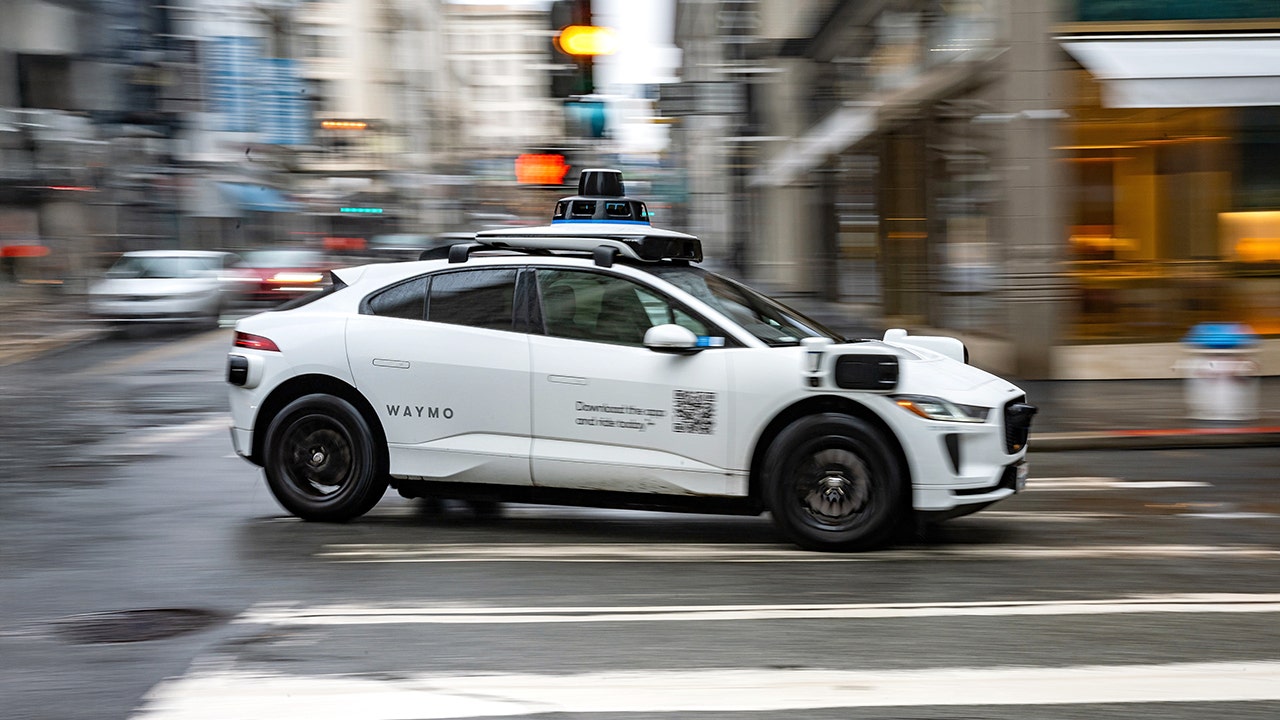
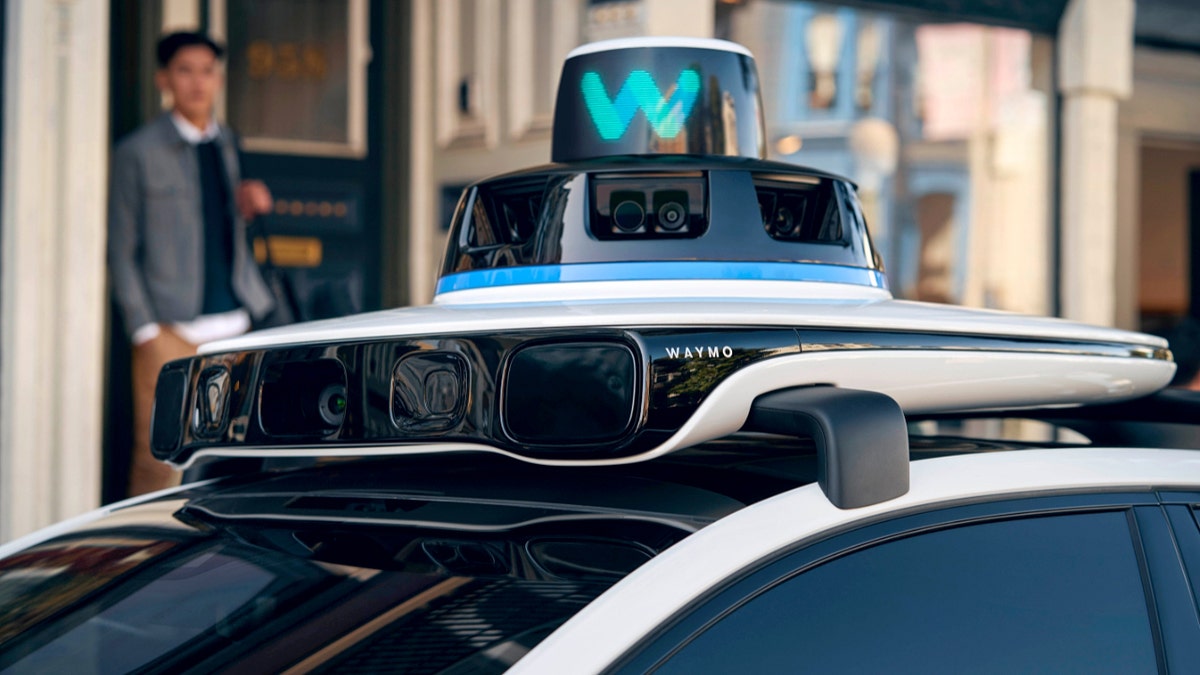
Waymo, the self-driving arm of Alphabet, received its first permit last year to test autonomous vehicles in New York City. However, the permit requires a trained specialist behind the wheel. That testing permit remains in place. So while statewide expansion is off the table for now, Waymo’s New York City testing program continues. The company already offers paid driverless rides in parts of:
- The San Francisco Bay Area
- Los Angeles
- Phoenix
- Austin
- Atlanta
According to company data and state regulators in Arizona and California, Waymo has logged millions of fully autonomous miles. Arizona transportation officials have reported lower crash rates per mile compared with human drivers in certain operational zones. California’s DMV and Public Utilities Commission continue to monitor safety performance and incident reporting.
The company says it hears from thousands of New Yorkers who have ridden in Waymo vehicles elsewhere and want the service at home. Still, expanding beyond the city now faces a political roadblock.
UBER UNVEILS A NEW ROBOTAXI WITH NO DRIVER BEHIND THE WHEEL

Why Hochul pulled the New York robotaxi expansion plan
The governor’s office said support was not there in the state Legislature after conversations with stakeholders. That language matters. Self-driving vehicle rules involve state lawmakers, labor groups, local officials, safety advocates and insurance regulators. Expanding robotaxi services into smaller cities likely raised concerns about:
- Safety oversight
- Liability rules
- Local job impact
- Emergency response coordination
Autonomous vehicle deployment remains under intense scrutiny nationwide. After a high-profile incident involving Cruise in San Francisco in 2023, regulators tightened oversight. Cruise later suspended operations, and General Motors scaled back its robotaxi ambitions. Waymo has not recorded a similar major injury event in public reporting. That distinction has helped it expand in states like Arizona and Texas. Even so, public trust remains fragile.
What this means for you
You might be thinking, “I do not live in New York. Why should I care?” Because state decisions like this often ripple outward. If New York, one of the largest transportation markets in the country, slows expansion outside its biggest city, other states may take note. Lawmakers across the country watch how New York handles new technology.
Here is what this pause signals:
Robotaxi rollouts will stay uneven
Some cities will embrace them quickly. Others will wait for more data and clearer rules.
Politics matter as much as technology
Even if autonomous vehicles prove safer per mile in controlled settings, public policy decides where they operate.
Your city could be next in line
As companies push for expansion in major metros, debates over safety, job liability and infrastructure will follow. If you rely on ride-hailing services, autonomous vehicles could eventually lower costs and increase availability. On the other hand, local drivers and labor groups may push back hard. This tension will play out city by city.
ATLANTA TESTS DRIVERLESS POD TRANSIT LOOP
The bigger national picture for robotaxi expansion
Federal agencies like the National Highway Traffic Safety Administration continue to collect crash data and investigate autonomous vehicle performance. However, states control many of the rules governing commercial operations. That means America may not get one unified robotaxi system. Instead, it may look like a patchwork. Phoenix might move fast. Austin might expand aggressively. Buffalo might wait.
In the meantime, companies like Waymo continue refining software using real-world miles and sensor data. The more data they collect, the stronger their safety case becomes. Yet public perception often hinges on a single viral incident. Technology evolves quickly. Regulation moves more slowly.
Take my quiz: How safe is your online security?
Think your devices and data are truly protected? Take this quick quiz to see where your digital habits stand. From passwords to Wi-Fi settings, you’ll get a personalized breakdown of what you’re doing right and what needs improvement. Take my Quiz here: Cyberguy.com.
Kurt’s key takeaways
New York’s decision is not a death blow to robotaxis. It is a reminder that innovation must pass a political test. Waymo still plans to move forward in New York City. Smaller cities across the state will wait. Other states will watch. The question is no longer whether autonomous vehicles will expand. It is how fast and where.
If driverless cars reduce crashes and improve pedestrian safety, should lawmakers speed up approval? Or should they move cautiously and protect existing systems until every risk is understood? What would you want your city to do? Let us know by writing to us at Cyberguy.com.
CLICK HERE TO DOWNLOAD THE FOX NEWS APP
Sign up for my FREE CyberGuy Report
Get my best tech tips, urgent security alerts and exclusive deals delivered straight to your inbox. Plus, you’ll get instant access to my Ultimate Scam Survival Guide – free when you join my CYBERGUY.COM newsletter.
Copyright 2026 CyberGuy.com. All rights reserved.
Related Article
Read the full article here