The Interior Just Gutted a Bedrock Conservation Law That Will Affect Public Lands Everywhere

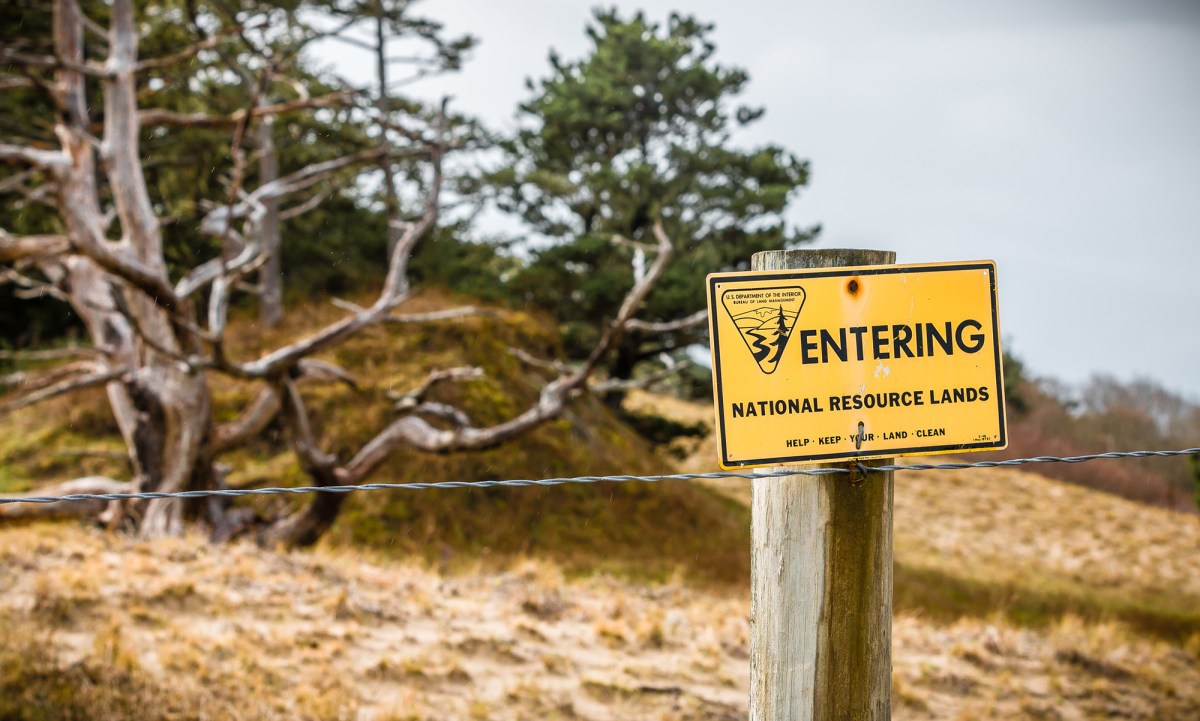

The Department of the Interior finalized its overhaul of the nation’s bedrock environmental law on Monday, which loosens oversight on logging, mining, oil and gas development, and other industrial projects. The changes strip the National Environmental Policy Act of about 80 percent of its preexisting regulations, which have been crafted over the past 50 years.
Some of the biggest changes include shortening the time projects are open for public comment, fast-tracking projects, and removing the requirement to announce when the federal government plans to start an environmental assessment.
The DOI says the overhaul to NEPA is necessary because the law has been “twisted into a weapon to block American energy, infrastructure and conservation projects,” according to Interior Secretary Doug Burgum.
Conservationists and sportsmen, on the other hand, decried the move, saying it will give industry a free pass to do as it pleases on America’s public lands. NEPA was passed with little opposition in Congress and was signed by President Nixon, a Republican.
“This is the classic billionaires versus the common people,” says Land Tawney, co-chair of American Hunters and Anglers. “This is not about protecting our natural resources, it’s about exploiting our natural resources.”
The NEPA overhaul was anticipated after Interior published a similar draft rule in July, and arrives at the same time as the Trump Administration plans to overhaul many other environmental rules including the Clean Water Act and the Endangered Species Act. The Trump Administration has also overturned the endangerment finding, which regulated climate change under the Clean Air Act, and declared that the Environmental Protection Agency should no longer factor in the value of human life when determining the economic impact of an industrial project.
Like many of the other rollbacks to key conservation laws, Monday’s rollback of NEPA will likely face legal challenges.
Sportsmen like Tawney are particularly troubled as Congress seeks to open more public land to unchecked development including a recent effort to push through a copper sulfide mine in the Boundary Waters Canoe Wilderness Area.
When lawmakers spoke in favor of removing protections for the BWCA, they helped justify the decision by saying America has strict environmental regulations — like NEPA — that companies must follow.
“The mining company says they have the technology that makes sure we don’t have problems with pollution in the Boundary Waters, but who is going to provide the checks and balances for that?” Tawney says. “This is just a very big shell game.”
The type of mining proposed for the Superior National Forest, adjacent to the BWCA, has never succeeded without causing pollution.
But without the backbone of NEPA, which calls for robust public comment and studies on how such a project could impact fish, wildlife, and habitat, more development will proceed. That includes the controversial Ambler Road, which will cut through Alaska’s Brooks Range. And with limited opportunities for public comment, it will become increasingly difficult for locals to provide input about the places where they hunt, fish, hike, and camp.
U.S. environmental laws, many of which have been around for the past 50 years, were born out of a time when rivers caught on fire, species disappeared, and cities became choked in smog. Many of them, including NEPA, were bipartisan efforts enacted to address these issues.
But in the decades since, rules like NEPA have been a source of endless frustration for companies planning industrial-scale projects. Tawney understands the frustration. Even so, he says, “These things take time because we care about our environment and when done right, development and the environment can both move forward.”
Read Next: What’s So Bad About Stevan Pearce, Trump’s Pick to Run the BLM? For Starters, His Public-Land Track Record
The announcement also comes several days after a seminal poll out of Colorado College surveyed 400 voters in eight Western states found that 84 percent say rolling back laws protecting land, water and wildlife is “a serious problem,” an increase from prior years.
Ultimately, rolling back NEPA means the public will have less of a say on what happens on public lands, says Tawney, and corporations will continue to profit off the backs of a finite resource meant to be shared by everyone.
Read the full article here