
Let’s face it – if the economy ever really crashes or the grid goes down for good, we’re not going to be paying for things with Apple Pay or Visa cards. We’re going to be trading goods and services like our great-grandparents did during the Great Depression. And if you think bartering is just about swapping eggs for bacon, think again.
During the 1930s, Americans relied on a powerful set of practical skills and community-based trades to survive. These weren’t luxury skills, but real life skills. And with the way the world’s headed, I have a strong feeling we’re going to need them again – and soon.
Here are some of the most valuable Depression-era bartering skills that will be worth their weight in gold when the dollar starts to slide and the shelves start to empty.
17. Cobbling Together Tools & Repairs
Some folks call it “junkyard engineering,” but Depression-era folks were masters of repair. The skill wasn’t fancy engineering; it was practical problem-solving under pressure. When replacements aren’t available and cash is tight, the person who can keep equipment working becomes one of the most valuable assets in the community.
So, if you can repurpose old parts, wire together a solution, or make a broken tool work again – you’re the neighbor everyone needs.
16. Hygiene Products
During the Great Depression, soap truly was valuable because many rural families could no longer afford store-bought hygiene products.
The households of that era revived those same techniques: saving bacon grease and beef tallow, leaching lye from hardwood ashes, and boiling it into firm, long-lasting bars that could be used for bathing, laundry, and even cleaning wounds. Tooth powder was commonly made from baking soda and salt, and herbal salves were prepared with rendered fat and garden-grown herbs like calendula or comfrey.
Before widespread antibiotics, infections from minor cuts, poor sanitation, or contaminated clothing could turn serious. Regular handwashing, laundering work clothes, and cleaning tools reduced outbreaks of skin infections and intestinal illness, especially in households with many children.
I actually tried a few natural homemade recipes, and they were so easy to make that I don’t even understand why we keep buying them. Some of the recipes I tested can be found here, including:
15. Map Reading & Local Navigation
 Once GPS goes down, navigation becomes a skill that directly affects safety, trade, and survival.
Reading topographic maps, recognizing terrain features, tracking waterways, and understanding natural travel corridors allows you to move efficiently and avoid unnecessary risk.
People of the Great Depression used to travel for work or trade relied on paper maps, rail lines, and word-of-mouth directions, and those who understood the land often guided others for goods or favors.
Clear communication about routes, safe crossings, and resource locations builds trust, and in barter-based communities, trust and accurate information carry real value.
14. Firewood Cutting & Splitting
If you can safely fell trees, split and stack seasoned hardwood, and understand how to dry it properly, you’re offering something every household will eventually need. A rick of dry oak or hickory can trade for canned goods, fresh eggs, repairs, or other essentials because steady heat means warm rooms, boiled water, and cooked meals.
Also, knowing how to start and maintain a fire in poor conditions adds even more value. Dr. Nicole Apelian, a biologist, herbalist, and survival expert, shares a reliable method for starting a fire even in the rain. That knowledge becomes precious in a barter-based society where the ability to produce heat on demand can outweigh almost any small luxury.
13. Blacksmithing & Blade Sharpening
Knives, axes, and tools will always need sharpening or repairing. If you’ve got a grindstone and know how to use it, or can forge simple items, your skill will be in constant demand. This is one of those trades that never goes out of style.
12. Shoemaking & Leather Repair
People used to get their shoes resoled, not replaced. If you can fix boots, patch belts, or repurpose old leather, you’ve got a trade that lasts. Even knowing how to hand-stitch leather can get you meals and more in return. Durable footwear becomes priceless when stores close.
11. Basic Carpentry & Repair Work
Houses, fences, chicken coops, and barns all need fixing eventually. If you can swing a hammer, sharpen a saw, or build a simple shelter, you’ll be in demand. Back in the 30s, people traded carpentry work for food, firewood, or homegrown produce. The same will be true when people can’t afford a contractor.
So, I advise you to check out Ted’s 2000+ carpentry plans that can be explored in a weekend. Trust me, when the next crisis comes, you’ll regret not having these plans around.
10. Fermenting & Brewing
 Homemade vinegar, sauerkraut, mead, beer, or wine were all common during the Depression because they served multiple purposes beyond simple enjoyment.
- Vinegar was used for pickling, cleaning, and even basic medicine.
- Sauerkraut provided vitamin C through winter when fresh produce was scarce.
- Alcoholic ferments like mead or fruit wine often held barter value because they required time and skill to produce safely.
- In many rural communities, a bottle of dandelion wine or a jug of homemade cider could trade for a chicken, extra firewood, or labor.
Fermentation also stretches harvests without refrigeration, preserves calories, and adds beneficial probiotics, making it one of the most practical food skills in any barter-based economy.
9. Candle Making
When the lights go out, candles become currency. Making beeswax or tallow candles from scratch is a skill that once lit nearly every home in America, and it will carry weight again when grids fail and nights stretch long.
Families will trade eggs, flour, or other staples for dependable light that helps them cook, mend, read, or simply feel secure after dark.
This candle recipe is worth keeping on hand before the next blackout hits:

8. Bartering & Negotiation Skills
This may sound obvious, yet it matters more than most people think: knowing how to strike a fair deal, negotiate with respect, and build lasting relationships is half the battle in any barter system. During the Depression, the most successful traders were the ones people trusted to be honest, fair, and consistent.
In hard times, your reputation becomes your currency.
If you want a real-world model for strong bartering skills, look at the Amish. They focus on producing tangible value through craftsmanship, farming, repair work, and practical trades that communities always need. Even in the way they handle money, they they price fairly, avoid greed, stay disciplined and avoid unnecessary debt.
7. Knife Making & Tool Crafting
 In the 1930s, many men made their own knives, axes, and farm tools from scrap steel because a sharp blade meant food, firewood, and steady work.
If you can forge and heat-treat a dependable cutting edge that holds up under daily use, you offer something people rely on constantly.
Well-made knives, hatchets, chisels, or splitting wedges trade easily for meat, produce, labor, or building materials.
Teaching others to shape and maintain their own tools increases your value even more and turns your skill into a steady bartering asset.
6. Midwifery & Birth Support
In rural communities, trained midwives delivered most babies. Hospitals were miles away and too expensive. If you can assist with safe deliveries or offer postpartum support, that’s definitely a priceless contribution.
5. Herbs and Seeds
Almost a century ago, people couldn’t always afford to see a doctor. Herbalists who knew how to make teas, tinctures, poultices, and salves were vital. If you know what plant to chew for a toothache or how to stop bleeding with yarrow, you’ll have people knocking on your door.
The best part is that nature has a remedy for almost everything, we just forgot how to use it.
Here are the ONLY medicinal seeds you need to create your own holistic pharmacy:
4. Water Collection & Filtration
People rarely think about clean water until the tap runs dry, yet safe drinking water becomes the top priority the moment systems fail. If you know how to collect rainwater properly using gutters and food-grade storage barrels, you already hold a valuable skill.
In a long-term crisis, tools that make purification easier increase your value even more. The Aqua Tower is a practical solution because it cleans water using layered filters and simple gravity, so it works without power or complicated parts. It removes sediment, many contaminants, and improves overall water quality in a simple design, that works indoors or outdoors.
3. Homesteading & Animal Care
2. Butchering & Meat Preservation
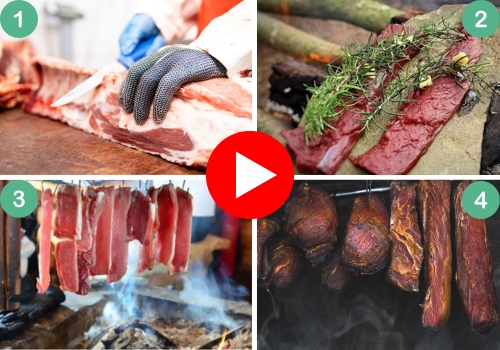
In a crisis, being able to preserve meat means you control a high-value food source that can be stored, transported, and traded instead of wasted.
But in the past, meat preservation was common knowledge. People smoked, salted, and cured meat because they had no other choice, and those methods kept food from spoiling when fresh supplies were limited. Once freezers became normal, most of these skills disappeared, and today almost nobody knows how to store meat without electricity.
Luckily, we uncovered one of these old meat-preserving secrets, so you can use it too:
1. Gardening & Food Preservation

You may also like:
 Instant Foods You Need to Stockpile Before They Disappear
The ‘Superweed’ That Saved Large Communities During The Great Depression (VIDEO)
Better than Gold
I Ate Only Canned Meat for 6 Months and This Happened
8 Items Pioneers Stockpiled to Survive Winter
Read the full article here