
For years, owning guns felt like a closed chapter. You chose your calibers, settled on platforms you trusted, and built a collection that matched your needs.
What nobody warned you about is that long-term gun ownership has problems that only show up later. This is because life changes and decisions are made by people who do not share your experience or your priorities. These problems have nothing to do with whether you know firearms, because they exist outside the gun itself.
Most experienced owners are prepared for threats, crime, and shortages. But very few are ready for aging, paperwork pressure, and family conflict.
Some Guns Age Better Than Others (and That Matters More Than You Think)
 Some firearms hold up over decades, while others become difficult to support as parts and magazines wear out or disappear.
For example, Bolt-action rifles and simple pump shotguns tend to survive well over time because their parts are basic and their function does not rely on specialized components.
On the other hand, semi-auto pistols, modern sporting rifles, and anything built around proprietary parts tell a different story as years pass.
Many popular pistols from the 1990s and early 2000s already rely on springs, magazines, or internal parts that manufacturers no longer produce at scale. Owners assume substitutes will exist when needed, but that assumption falls short once production stops or shifts overseas. A reliable handgun becomes unreliable fast when one specific part wears out, and replacements dry up.
The same issue affects modern rifles built around specific bolt carriers, gas systems, or magazines tied to one company. These platforms work well during normal times, but they age poorly when support fades.
Your Collection Can Become a Liability During Emergencies
A short health problem can put your guns into play even when you expect everything to return to normal. If you are hospitalized or unable to handle things for a while, someone else ends up managing your house, and firearms quickly become part of what they have to deal with.
In that situation, your guns are no longer seen the way you see them. They start to look like something that needs to be handled quickly, so no one gets blamed if questions come up.
Moving them out of the house feels like the safest choice to someone who is thinking about responsibility rather than ownership. Once that decision is made, it often moves forward without waiting for your input, because everyone involved believes they are acting carefully.
Have You Ever Heard of Lacquer?
The real risk shows up after that first decision. Guns that leave your control do not always return easily, even if the situation that caused the concern passes. Questions get asked, rules get applied differently, and delays stretch out longer than expected. What started as a short illness can quietly turn into a permanent change in who controls your firearms.
The best way to reduce this risk is to remove uncertainty before it exists. When one trusted person understands what you own and what is supposed to happen if you are unavailable for a short time, there is less pressure to act out of fear. Clear expectations slow things down, and slowing things down keeps control where it belongs.
Nevertheless, keeping things simple matters more than you realize. A collection that looks easy to understand from the outside creates fewer problems than one that feels complicated or overwhelming. When people do not feel rushed or confused, they are less likely to involve outside systems that are hard to reverse once they step in.
Certain Guns Draw More Attention Than Others, Even When Legal
 Some firearms carry baggage the moment they appear in public or semi-public spaces, regardless of how responsibly they are owned or handled.
This matters especially during travel, evacuations, inspections, range transport, or any situation where your guns become visible to people who do not share your background or experience.
Once attention locks in, events tend to move based on perception rather than facts, and that shift creates risk that experienced owners often underestimate.
The guns that tend to bring issues in these situations are:
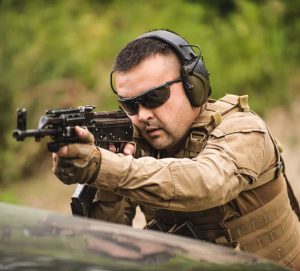
- Modern AR-style rifles with rails, optics, and detachable magazines often become the focus of attention the moment they are seen, which can turn a routine interaction into questioning or demands to store or move the firearm elsewhere.
- Handguns frequently raise immediate concern once noticed, since people tend to assume they are loaded or actively carried, which increases the chance of inspection or temporary seizure.
- Firearms with tactical parts, unusual colors, or modified appearances often get judged before anyone asks what they are or how they are used. That snap judgment can escalate a simple situation into reports or follow-up involvement.
- Short-barreled rifles, braced pistols, or bump stocks regularly trigger confusion around legality, and confusion alone is enough to cause problems when someone decides it is safer to stop and question than to move on.
- Firearms chambered in uncommon calibers tend to slow everything down once noticed, since few people know how to categorize them, and uncertainty leads to hesitation or even refusal.
- Older guns with unclear paperwork or long ownership history can raise questions when records are requested, especially when the firearm was purchased under rules that no longer exist.
The point here is not that these guns are bad choices or illegal to own. In fact, they could become problematic. Some firearms stay quiet when noticed, while others create friction simply by being present, and experienced owners benefit from knowing which ones tend to attract attention long before that attention turns into a problem
Ammunition Choices Lock You Into Long-Term Dependencies
Ammunition choice feels final once a collection settles, yet that choice quietly decides how dependent you become on manufacturers or politics. Guns last a long time. Ammo availability does not. Over decades, production shifts, priorities change, and some calibers slowly slide from common to inconvenient without much warning.
Many experienced gun owners bought into calibers that made sense at the time. Years later, those same calibers can turn into a problem when prices spike or production slows to occasional runs. At that point, owning the gun means waiting, paying more, or accepting that practice and replacement are no longer simple.
The calibers that tend to age well over decades are:
- The 9mm handgun stays in constant production worldwide, recovers faster after shortages, and remains politically hard to restrict due to its widespread use. The point is, you need at least four loaded magazines ready. But when it comes to ammo, there’s one thing you must know about steel. (Click here to find out more!).
- .22 LR remains useful for training, small game, and testing, although shortages still happen, making storage planning important.
- .223 / 5.56 benefits from military and civilian demand, which keeps production alive even during unstable periods.
- 12 gauge remains widely available due to hunting, sport, and home defense use across multiple generations.
- .308 / 7.62×51 continues to be supported because of hunting, military, and long-range shooting overlap.
Calibers that tend to create long-term problems include:
- Niche handgun calibers that depend on limited production runs and disappear quickly during political tension.
- Older “once-popular” calibers that lost market share and now rely on specialty manufacturers.
- Imported calibers tied to foreign factories, where sanctions or trade issues can halt supply overnight.
- Oddball or novelty calibers that look appealing early but lack broad civilian or institutional support.
A common mistake experienced owners make is assuming stockpiling ammo solves the problem permanently. Ammunition degrades over time, storage space becomes limited, and older ammo requires testing that many people stop doing regularly. Another mistake is spreading too many calibers across a collection, which increases dependency instead of resilience and forces you to manage multiple supply risks at once.
Caliber choice also affects what happens later in life. Family members are far more likely to understand, store, sell, or maintain common calibers than obscure ones. Ammunition that no one recognizes often gets treated as a problem rather than an asset when decisions need to be made quickly.
But the real power comes from making ammo yourself. With a basic setup (press, dies, powder, primers etc) you gain the ability to keep firearms running long after store shelves are empty. History backs it up: reloaders in the Bosnian War recycled scavenged brass into barter gold, tailoring loads for hunting, defense, and discreet use. You can find the DIY ammo instructions here.
Pistols Create Unique Legal Exposure During Stressful Events
Handguns are easy to carry, store, and move, which also makes them easier to mishandle during emergencies. During evacuations or hospital visits, pistols often travel with owners or family members who do not fully understand transport rules.
This creates legal exposure at the worst possible moment. A single mistake made under stress can escalate into confiscation, charges, or long-term consequences. Long guns tend to stay put. Pistols move. Movement increases risk.
So, if you own pistols, you need to assume they may move when you are under stress or unavailable. Anyone who might handle them during an emergency should already know how they are stored, how they are transported, and what rules apply, because confusion in those moments leads to mistakes that are hard to undo.
When you take the time to make sure the people around you understand this side of ownership, a short emergency is far less likely to turn into a long legal problem.
Paperwork Becomes the Real Battlefield Later in Life
Early in ownership, paperwork feels secondary because nothing seems to depend on it, yet that changes as time passes and records begin to outlive memory. Purchases, transfers, and old registrations do not fade away, and they often resurface during estate planning, divorce, or legal disputes when details matter more than intent.
How to Store Ammo Long-Term
Many owners never organized this information because they expected to be the one answering questions forever. That assumption fails the moment someone else has to step in and explain what you own and how it was acquired. Missing or unclear records slow everything down and shift attention in the wrong direction.
The gun does not create the risk here. Gaps in documentation do, and those gaps tend to cause problems long after the firearm itself has stopped being part of daily life.
Collections Grow Faster Than Plans Do
 Over the years, it is easy to keep adding guns without ever stopping to look at the collection as a whole.
What began as a handful of practical firearms slowly turns into something that needs thought, management, and decisions that rarely get made until pressure forces them.
The problem is not owning many guns, but owning them without a plan that keeps pace with how the collection grows.
At some point, you just start asking questions that cannot be ignored forever:
- Which guns actually matter to you now, not ten or twenty years ago?
- Which ones serve a real purpose versus taking up space and attention?
- Which firearms would be easy for others to understand if they had to deal with them?
- Which guns would create more trouble than value if decisions had to be made quickly?
When these questions stay unanswered, they get handed to family members or others who may not know your priorities and may make choices you would never make yourself. That is how valuable firearms get sold cheaply, surrendered, or mishandled without bad intent.
Your Guns Don’t Adjust as You Get Older
Time changes how your body works, even if your habits stay the same. Grip strength fades slowly. Fine motor control gets less reliable. Vision changes make certain sights harder to use. None of this shows up during calm range time, but all of it shows up under stress, which is the only moment that really matters.
The Invisible Gun Storage that Anyone Can Build
This becomes a problem with certain setups. Heavy calibers punish weaker hands and joints faster than expected. Short barrels increase blast and recoil, which slows follow-up shots when control is already reduced. Stiff triggers and small controls demand precision that may no longer be there on a bad day. These issues do not mean the gun is wrong, but they do mean the gun may no longer match the person using it.
A firearm that feels manageable on a good day can become difficult or unsafe on a bad one. Guns that once felt natural may require more effort, more concentration, and more recovery time than they used to.
Political Cycles Change Risk Patterns, Not Just Laws
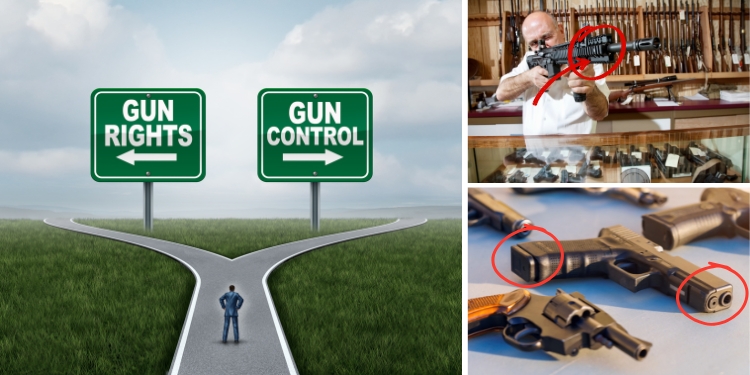
 Politics affects your gun ownership long before any law changes, because it shapes how rules are enforced and how much tolerance exists when questions come up. These shifts happen quietly through enforcement habits and public pressure, which means the risk around ownership can increase even when everything you own remains legal.
If you want to stay ahead of these shifts instead of reacting late, there are a few things worth paying attention to:
- Follow news related to firearms enforcement, court rulings, and agency guidance, since these updates often show how rules are being applied before anything officially changes.
- Pay attention to changes in tone from local and state authorities, because shifts in messaging often signal stricter interpretation or increased scrutiny down the line.
- Review how you transport and store firearms from time to time, especially if public attitudes or enforcement practices appear to be tightening in your area.
- Make sure your paperwork and ownership records stay organized and current, since documentation tends to matter more as political pressure increases.
- Stop assuming that a calm period means risk has gone away, because slow changes tend to surface only after they are already in place.
But, the truth is, when gun laws change, it’s stressful trying to keep up. And in a real crisis, you may not even be able to rely on the gear you have now. That’s why the smartest move is to train, not just with firearms but with other weapons and survival tools as well.
If SHTF, it can catch you completely off guard, and you may need serious backup skills fast. Learning how to craft simple weapons in the wild and defend yourself with what’s available could be the difference between being prepared or being helpless. Trust us, this skill is going to be more useful than any gun will be in a crisis.
The Missing Layer of Defense
 The hardest part about owning guns for decades is realizing that the firearm isn’t always the weak point. Life is.
A short hospital stay… a sudden evacuation… a moment when someone else has to make decisions in your house… that’s when control slips fastest.
And that’s why smart prepping can’t rely on firearms alone.
Because the best home defense is the kind that still works when you’re not standing there with a rifle in your hands.
Green Beret combat veteran and FOX News commentator Terry Schappert created the Special Forces Home Defense Academy for that exact reality – practical training, perimeter awareness, deterrence tactics, and real-world home defense skills that stay with you even when life pulls you away from your safe zone.
It gives you something no piece of gear can: knowledge that doesn’t depend on perfect health, perfect timing,
the power grid or being forced to make split-second decisions under chaos
Inside the Academy, you’ll learn battlefield-tested strategies like early-warning trip wires, home-clearing methods, looter deterrents, first aid readiness, and the exact mindset Special Forces use to stay ahead of threats before they reach the front door.
And right now, membership also comes with three free survival gifts – but only while the launch discount is still available.
If you want peace of mind that lasts longer than any political cycle or emergency…
Click below to join the Special Forces Home Defense Academy today and build the kind of protection that holds up when life gets unpredictable.

Final Thoughts
Owning guns for a long time builds confidence, but as years pass, the work shifts from choosing firearms to managing everything around them. Your guns may stay the same, but health changes, family situations evolve, laws tighten or loosen, supply becomes uneven, and public perception moves in directions you do not control. Experience helps, but it does not stop those outside forces from affecting how ownership plays out later in life.
What rarely gets said is that prepping with firearms does not stop once the safe is full or the ammo is stacked. It becomes an ongoing process of adjustment, simplification, and awareness. The earlier you accept that shift, the easier it is to keep decisions in your hands instead of leaving them to timing, pressure, or someone else’s judgment.
You may also like:
 Guns You Need to Buy Before the Government Bans Them
Better than a Gun (VIDEO)
How to Looter-Proof Your Survival Shelter
11 Screw Ups That Can Get You Killed When SHTF
What a Green Beret Would Say about Your Guns
Read the full article here