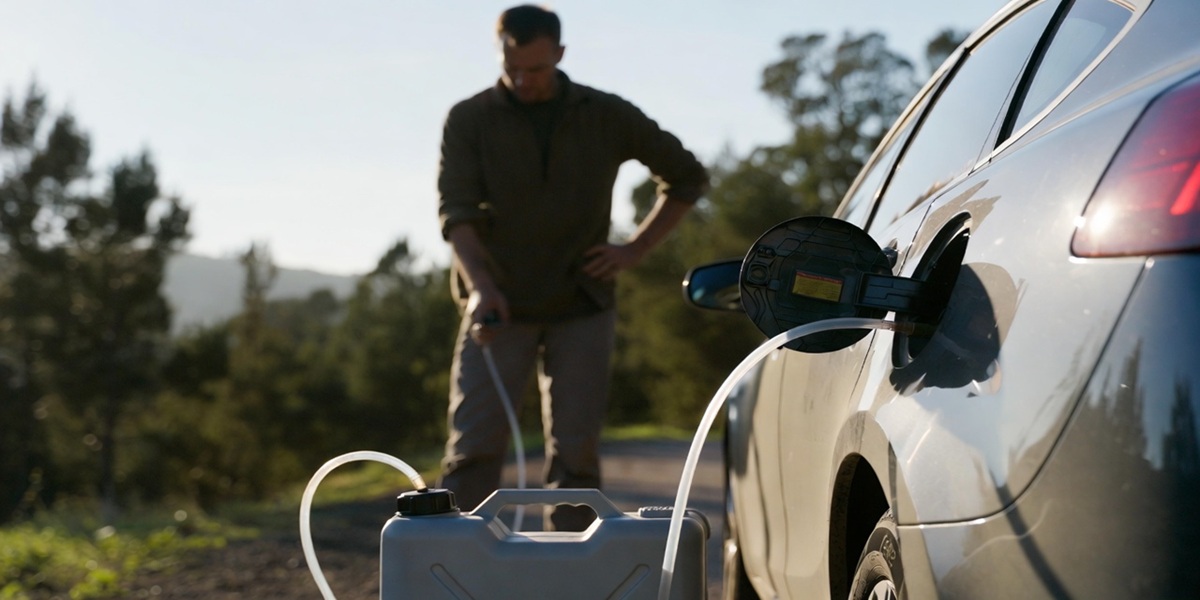

In emergency situations – whether you’re stranded without fuel, dealing with the aftermath of a natural disaster, or facing a power outage that’s disabled gas stations – knowing how to safely transfer gasoline can be a critical survival skill. Modern vehicles present unique challenges compared to older models, but with the right knowledge and tools, it’s still possible.
Understanding Modern Anti-Siphon Features
Today’s vehicles are equipped with anti-siphon devices designed to prevent fuel theft. Most cars manufactured after the early 2000s have one or more of these protective measures:
- Rollover valves that close when the car isn’t upright
- Check valves that only allow fuel to flow one direction
- Metal flaps or screens in the filler neck
- Complex fuel tank designs with baffles and curves
These safety features mean the traditional method of using a simple hose won’t work on most modern vehicles.
Legal and Safety Considerations
Before attempting to siphon gas, understand the legal implications. Siphoning fuel from a vehicle you don’t own is illegal and considered theft. This guide is intended solely for emergency preparedness situations involving your own vehicle or with explicit permission from the vehicle owner.
Critical Safety Warnings:
- Never attempt to siphon gas near open flames or sparks
- Work in a well-ventilated area to avoid inhaling toxic fumes
- Gasoline is highly flammable and poisonous
- Never use your mouth to create suction—ingesting gasoline can be fatal
- Keep a fire extinguisher nearby
- Avoid static electricity by touching a grounded metal surface first
- Wear safety glasses and gloves
Method 1: Using a Gas Siphon Pump Kit
The most reliable method for modern cars is using a purpose-built siphon pump with a small-diameter hose designed to navigate anti-siphon devices.
What you’ll need:
- Manual or battery-powered siphon pump
- 6-foot length of ¼-inch clear vinyl tubing
- Approved gas container
- Gloves and safety glasses
- Flashlight
Steps:
- Park both vehicles on level ground and turn off engines
- Remove the gas cap from the donor vehicle
- Feed the small-diameter tubing slowly down the filler neck, rotating gently if you encounter resistance
- Once you feel the tube drop into the tank (usually 2-3 feet down), you’ve bypassed the anti-siphon valve
- Attach your siphon pump to the tubing
- Place the output end into your gas container
- Operate the pump according to manufacturer instructions
- Monitor the process and stop when you have enough fuel or the tank is empty
- Remove the hose slowly and recap both tanks immediately
Method 2: Accessing the Fuel Line
For vehicles where the filler neck method won’t work, you can access fuel through the fuel line itself—though this is more complex.
What you’ll need:
- Socket set or wrenches
- Fuel line disconnect tool (vehicle-specific)
- Fuel-safe container
- Jack and jack stands (for some vehicles)
- Shop towels
Steps:
- Locate the fuel line under the vehicle—typically runs from the tank to the engine
- Position your container beneath the connection point
- Use the disconnect tool to carefully separate the fuel line at a union point
- Allow gravity to drain fuel into your container
- Be prepared for initial spurting as pressure releases
- Reconnect the line securely when finished
This method requires mechanical knowledge and should only be attempted if you’re comfortable working under vehicles.
Method 3: Fuel Tank Access Port
Some modern vehicles have an access port to the fuel pump, usually located under the rear seat or in the trunk.
Steps:
- Locate the access panel (consult your vehicle manual)
- Remove the panel covering
- Disconnect the fuel pump electrical connector
- Carefully disconnect the fuel line using appropriate tools
- Drain fuel into an approved container
- Reconnect everything in reverse order
Choosing the Right Equipment
- Manual Siphon Pumps: Cost-effective and reliable, but require physical effort. Look for models rated for gasoline use.
- Battery-Powered Pumps: Faster and easier, but require batteries. Choose pumps specifically rated for gasoline—never use pumps designed for water only.
- Tubing: Use only fuel-resistant tubing. Clear tubing lets you see when fuel is flowing. Quarter-inch diameter works best for modern vehicles with anti-siphon protection.
Emergency Fuel Storage
If you’re siphoning gas for emergency storage:
- Use only approved gas containers (never milk jugs or similar containers)
- Add fuel stabilizer for long-term storage
- Store in a cool, dry, well-ventilated area away from living spaces
- Label containers clearly with contents and date
- Check local regulations on fuel storage limits
- Rotate stored fuel every 6-12 months
Alternatives to Consider
In true emergency situations, consider these alternatives:
- Keep a portable fuel can filled with 2-5 gallons of stabilized gasoline
- Maintain a fuel transfer pump in your emergency kit
- Know locations of 24-hour gas stations along your regular routes
- Join a roadside assistance program that includes fuel delivery
- Carry a phone charger to call for help
Preventing the Need to Siphon
The best approach is preventing situations where you’d need to siphon gas:
- Never let your tank drop below one-quarter full
- Keep emergency fuel supplies properly stored
- Maintain your vehicle regularly to maximize fuel efficiency
- Plan routes and fuel stops for long trips
- Keep backup transportation methods in mind
Final Thoughts
While modern vehicles make siphoning more challenging, it’s not impossible when you understand the anti-siphon mechanisms and use appropriate tools. This skill is valuable for preppers and anyone interested in self-reliance, but should only be practiced legally on your own property with proper safety precautions.
Remember that prevention is always better than reaction. Maintaining good fuel habits and keeping emergency supplies will reduce the likelihood you’ll ever need these techniques. However, having the knowledge and tools ready for true emergencies is what preparedness is all about.
Stay safe, stay prepared, and always prioritize legal and ethical practices in your preparedness journey.
Learn How Crises Actually Unfold
Dollar Apocalypse explores the mechanics behind:
- Currency erosion
- Supply chain disruption
- Shortage psychology
- Economic stress cascades
- Survival economics
Because surviving instability isn’t about hacks.
It’s about understanding the game itself.
Inside you’ll discover:
- Why shortages happen
- What breaks first
- What retains value
- How prepared individuals adapt
- How to build real resilience
Click here to explore Dollar Apocalypse!
Because the strongest survival advantage isn’t knowing risky tricks.
It’s never needing them.
You may also like:
 How to Siphon Gas from a Motorcycle
Fuel Stabilizer: Keep Your Gas Alive
How to Siphon Gas from a Boat Tank
Read the full article here