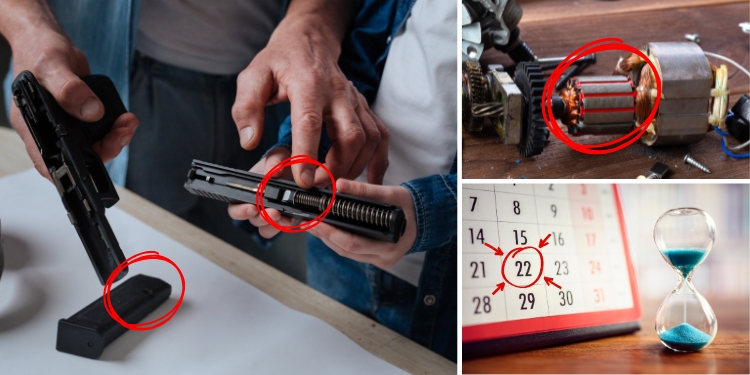

If you spend enough time prepping, you start to notice a pattern. Preppers are serious about buying supplies, serious about planning, and about talking through scenarios. What often gets less attention is how those plans and supplies perform under stressful situations.
The truth is, real disruptions rarely show up when you are ready for them. They interrupt meals, shorten sleep, and pile problems on top of one another. When that happens, your ability to function depends less on what you own and more on what you have already experienced.
This is where practice under deprivation becomes important. Not extreme suffering and not reckless behavior, but deliberate exposure to hunger, fatigue, limited resources, and inconvenience. Those experiences teach lessons that will be useful when the time comes.
How to Know You are Ready
When you practice skills or test systems under ideal conditions, you only learn how they work at their best. You do not learn how they behave when you feel worn down, distracted, or frustrated.
Comfort gives you extra patience, clearer thinking, and the ability to redo mistakes without consequence. In a real crisis, those buffers disappear quickly. If you have never operated without them, even simple tasks can feel overwhelming.
👉 How to Stockpile a Ton of Water for 365 Days
Think about how many times you have tested something after eating a good meal or during a calm afternoon. That experience still has value, but it represents only one version of reality. Emergencies usually arrive at the worst possible moment.
That’s why the best thing to do is to start practicing when conditions are less forgiving. This way you learn what slows you down, what irritates you, and what actually holds up when you do not feel your best.
Using Your Gear the Way You Would Actually Need It
 Many people own excellent equipment that has never been used under pressure. Owning tools creates confidence, but confidence without experience can be fragile.
Before you spend another dollar on equipment, it’s worth slowing down and being honest with yourself about what you can actually do if something stops working.
If the water coming out of your tap disappeared tomorrow and the only source nearby was questionable at best, would you know how to make it safe?
The problems start when sediment, algae, or runoff clog systems that worked perfectly during a demonstration. Many people do not realize how often water filters need attention until they depend on them day after day, or how quickly performance drops once water quality changes. For this reason, it’s an excellent idea to get a smart water box or a device that can pull water from the air. These are some of my favorite devices, and I hope you’ll see their value too.
Moreover, a generator that starts and runs for twenty minutes feels reassuring, but that does not answer the harder questions. Small mechanical problems that would normally be ignored suddenly matter. If something fails, you either understand the machine well enough to troubleshoot it, or you do not. So, limiting your own electricity for a few days has a way of clarifying what you actually need and what you only think you need.
Also, cameras, alarms, and lighting behave very differently when they cannot run constantly or when maintenance gets delayed. Some setups draw attention rather than reduce it. Others fail quietly. Until you have lived with those systems under restricted power and without constant monitoring, you are mostly guessing about how useful they really are. But with the right anti-looter kit, these things won’t happen – click here to see what I am talking about!
Training That Reflects Real Conditions
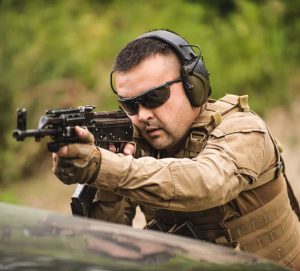
Shooting at the range when you’re well rested helps build fundamentals, but it doesn’t mirror how you’d perform when conditions aren’t ideal. Lack of sleep and low energy affect grip, balance, and decision-making, even for seasoned shooters. Training under those less-than-perfect circumstances, on occasion, gives you a clearer picture of what you can actually handle.
Firearms training becomes more realistic when mild physical stress is introduced. That might look like shooting after a long workday or taking a short hike with weight before stepping onto the line. The point isn’t to push yourself to exhaustion, but to become familiar with how performance changes when you’re not at your best.
So, before stockpiling more guns, ask yourself: Could you safely handle and operate your gun under stress? Make sound decisions when your hands are tired or your focus is compromised? Identify when not to shoot just as confidently as when to act? If you’re unsure, that’s not a weakness, but a clear opportunity to build real competence through better training.
But keep in mind that any serious training should always happen under proper supervision. Skill means very little without safety. That’s the exact foundation of the self-defense course we created for you. Led by Terry, a Green Beret with decades of real-world experience, this course emphasizes firearm safety, sound judgment under stress, and practical defensive skills that translate beyond the range.
Find out more about gun practice and safety in the video below:
Fasting as a Practical Way to Train
You do not need to push yourself into extreme deprivation to understand how limited food affects your body and judgment. Even modest, intentional fasting can teach you a great deal about how you function when calories are not guaranteed.
How to Practice Fasting
One of the simplest approaches is a 24-hour fast, which includes the overnight period. This might mean eating dinner in the early evening, then skipping all meals until dinner the following day. During that time, you continue with normal activities, drink water, and avoid strenuous exertion beyond what you would realistically face during daily tasks.
Another option is intermittent fasting, which works well for people easing into food restriction. Common schedules include eating within an 8-hour window each day, such as late morning through early evening, or skipping breakfast consistently and delaying the first meal until midday.
When you begin doing this, make sure you have a food plan that aligns with your specific health conditions, as it can be risky for individuals with diabetes or low blood sugar. Before starting, be sure to speak with a healthcare professional.
But before you begin your fasting period, we strongly advise you read this first:
You can also combine fasting with light, purposeful activity. Doing chores, maintaining equipment, organizing supplies, walking your property, or practicing basic skills while fasted gives you a clearer picture of how hunger affects productivity and focus.
The Health Benefits of Fasting
When done sensibly, fasting offers real health advantages even under normal conditions:
- Improved insulin sensitivity, which helps regulate blood sugar and energy levels.
- Reduced joint inflammation.
- Improved digestion and reduced constant hunger signals.
- Greater mental clarity once the body adapts to periods without food.
Why Fasting Matters in a SHTF Scenario
 From a survival standpoint, fasting does more than build discipline. It prepares your body and mind for realities that emergencies impose without warning:
- You become accustomed to operating with fewer calories, reducing panic when food is limited.
- Your body adapts to using stored energy more efficiently.
- You gain confidence in your ability to function without constant meals.
- Decision-making improves because hunger is no longer unfamiliar or distracting.
- Rationing becomes more realistic because you understand your true needs.
- Energy crashes become predictable instead of surprising.
Good Nutrition Shouldn’t Be Optional
When people plan food storage, calories tend to get most of the attention. They matter, but they’re not the whole story. Over time, the quality of what you eat has a direct effect on how well you function.
A lack of proper nutrition can take you out faster than the crisis itself. You don’t have to be starving for things to go wrong. Poor-quality food slowly wears you down, weakening strength, slowing recovery, and dulling mental clarity. These changes are gradual, which makes them easy to miss until your performance has already dropped.
👉 How to Know What’s Wrong if You’ve Got Abdominal Pain
Using your stored food during training is one of the most reliable ways to see if it actually works for you. It shows how your body responds and whether your diet supports sustained effort, not just survival. That feedback gives you time to make better choices while you still can.
It’s also important to understand how to handle different health situations related to nutrition, such as digestive issues, heart problems, or any other illness that could weaken you in a SHTF scenario. You don’t have to be a doctor to know all of these things, all you need is THIS BOOK and the willingness to practice what you learn.
Home Doctor was written by Dr. Maybell Nieves, a physician renowned for developing innovative and practical ways to treat patients after Venezuela’s economic collapse, when hospitals and pharmacies ran out of medicine, supplies, electricity, and even running water. Her hard-earned knowledge and real-world experience are all captured in this book.
Final Thoughts
Spending time relying on stored food, limiting electricity, or working through fatigue creates familiarity with conditions that emergencies impose without warning. Familiarity reduces panic and improves decision-making.
When things go wrong, you will not suddenly become more capable than you were before. You will operate at the level you have already practiced.
You may also like:
 20 Dead Man’s Traps You Can Legally Build to Protect Your Home
How a Possible Civil Conflict Can Change Our Lives in the Months to Come (VIDEO)
Better than Pemmican
Your Home Might Become a Death Trap Without This
How To Become Invisible In 9 Hours After SHTF
Read the full article here