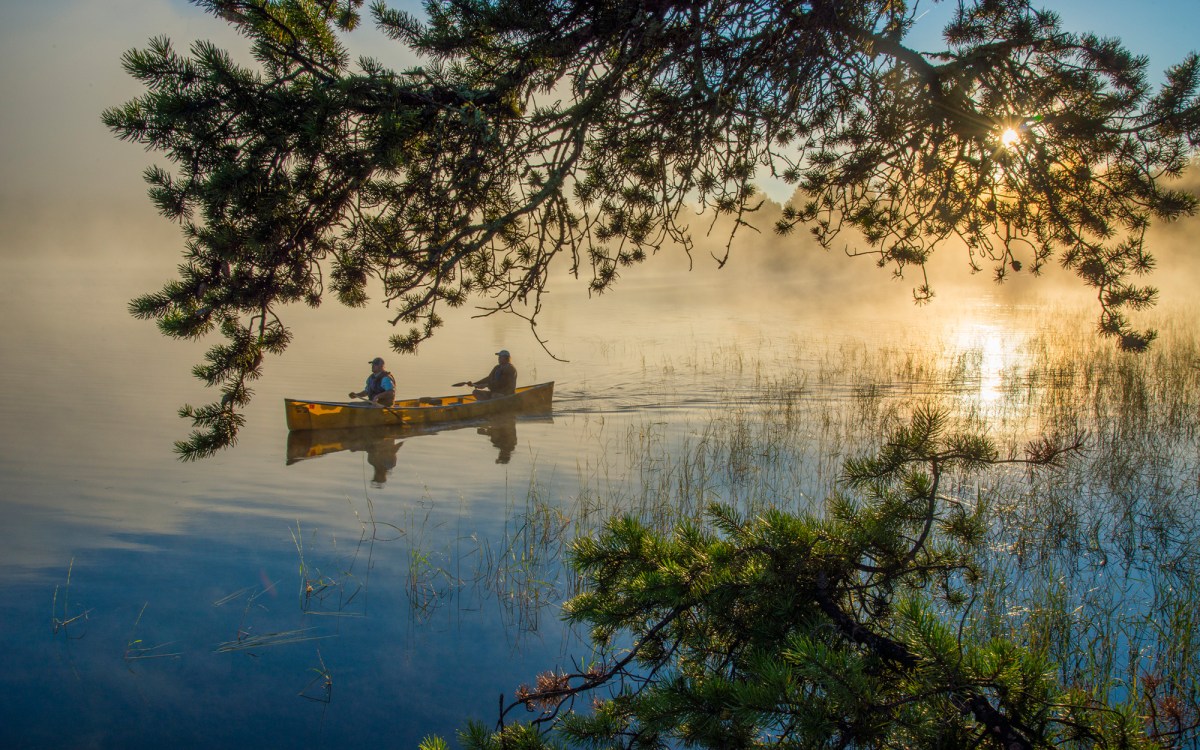

The U.S. House of Representatives narrowly passed a resolution Wednesday that puts a copper-nickel mine on the edge of the Boundary Waters Canoe Area Wilderness one step closer to reality. Taking an unprecedented approach to using the relatively novel Congressional Review Act, the House voted 214-208 in favor of overturning a 20-year mining moratorium that was established in 2023. These current protections cover 225,504 acres in the Superior National Forest and center around the Rainy River Watershed that lies upstream of the BWCA.
“The Boundary Waters is the pinnacle of wild places,” says Matthew Schultz with Sportsmen for the Boundary Waters. “The chance of polluting a place like that to me is pretty crazy. It just doesn’t shake out.”
Read Next: Trump Administration and Congress Are Attempting an ‘Unprecedented Maneuver’ to Roll Back Minnesota’s Boundary Waters Protections
Much of the sportsmen’s community expressed grave disappointment today at the decision, given the popularity of the country’s most visited wilderness and the devastating environmental impacts that such a mine could have on the Boundary Waters. Conservation groups also say these moves set a troubling precedent, and could allow Congress to upend how our federal public lands are managed more broadly.
Permitting for the proposed Twin Metals mine had boomeranged back and forth for years before the Biden administration established the moratorium. And according to Backcountry Hunters and Anglers CEO Ryan “Cal” Callaghan, hundreds of thousands of people wrote to President Biden’s Interior Department to vocalize their support for these protections.
“It was a 20-year moratorium … and that I think is a pretty pragmatic approach,” Callaghan tells Outdoor Life. “There’s no reason to have this project right now. It’s not needed right now in terms of national defense or anything else you can come up with.”
Proponents say the mine would create 750 full-time jobs in the area, but a Harvard study showed it would likely create a net loss in jobs from tourism and outdoor recreation. Legislators backing the mine, including Rep Pete Stauber (R-Minn.), who filed the joint resolution, say the mine will be a way to domestically mine more copper and other critical rare earth minerals. The U.S. currently exports about 50 percent of its raw copper to China, Canada, and Mexico. Antofagasta, the Chilean corporation that owns Twin Metals, also exports most of what it mines to places like China, says Rep. Betty McCollum (D-Minn.).
In order to overturn the existing protections, the Trump administration and Congress have relied on a series of unprecedented legislative maneuvers to transfer the Biden-era mineral withdrawal to Congress. In doing so, they purported that the Biden-era mineral withdrawal was filed improperly, and that it should now be subject to revision under the Congressional Review Act.
“[This] is an unprecedented maneuver that threatens the future of the Boundary Waters,” Lukas Leaf, executive director of Sportsmen for the Boundary Waters, said of these moves when Stauber first introduced his resolution. “A decision to allow this to move forward could have dangerous implications not only for the BWCA but also for similar protections for wild landscapes across the country.” .
Sportsmen’s groups have also expressed disappointment that Montana Rep. Ryan Zinke, co-chair of the bipartisan House Public Lands Caucus, not only supported the bill but encouraged his fellow representatives to support the bill.
Zinke spoke passionately on the House floor Wednesday in support of the mine, saying “It’s a good mine. A good project.”
By voting to pave the way for the mine, Zinke is betraying sportsmen and public-land users, says Land Tawney, co-chair of American Hunters and Anglers.
“You can’t be a part time lover of public lands and call yourself a champion,” he says.
He and others hope the Senate could still refuse to back the measure. The Senate parliamentarian could also rule that the House resolution and related maneuvers were against Congressional rules. If it moves forward and is approved by the Senate, the mine will still require state approval.
Read the full article here