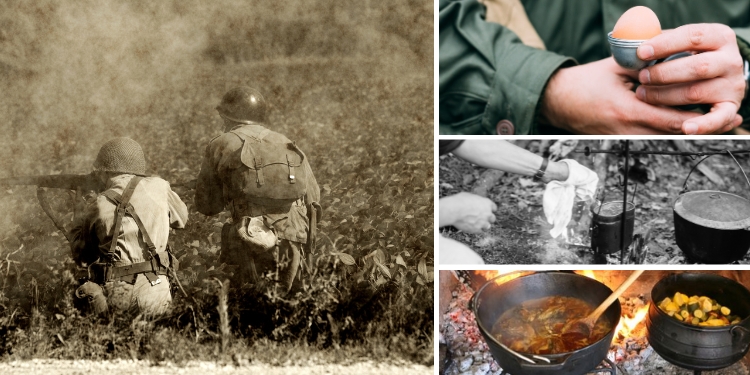

World War 2 was the largest multinational conflict in human history. It touched most cultures and spawned a lot of culinary innovation from the soldiers fighting in the trenches.
For them food was just as much about the fuel for fighting as it was finding little creature comforts to keep morale high in the harshest of conditions. To the point that during WW2, resourceful soldiers became creative “trench cooks.” These masters of making do learn how to work with what little they had to create foods that were practical, filling, and above all, life-sustaining.
Today, these trench foods provide inspiration for preppers and survivalists who want to know how to stretch limited ingredients. While there are too many secret trench foods to explore in a single article, the following are prime examples of ways to make the most with the most basic of ingredients.
Hardtack Biscuits, the staple of WW2 recipes
Hardtack is a well known recipe among preppers and it wasn’t new in WW2 either, but it was still a staple present on both the Pacific and European theaters of operations. Soldiers needed a shelf-stable carb that wouldn’t spoil in damp trenches or long supply lines.
Hardtack is essentially just flour, water, and salt baked into rock-hard biscuits that could last for years if stored properly. All of this makes hardtack worth mentioning again and keeps it at the top of the list when it comes to long-term storage and dependable nutrients.
Ingredients
- 2 cups flour
- ½ to 1 teaspoon salt
- ½ cup water
How to make it
- Mix the flour and salt, add just enough water to form a stiff dough
- Roll out to ½ inch thick, and cut into squares.
- Poke holes in the dough with a fork
- Bake at 350°F for about 30 minutes per side, until dry and hard.
Here’s a video on how to make hardtack:

Hardtack can be used today as a crunchy snack or broken into soups and stews as a thickener. You could even vacuum-seal individual biscuits for long-term storage as a fallback carbohydrate source.
Trench Stew
In World War 2, “Trench Stew” was a blanket term soldiers used for improvised soups made from whatever rations they had. Bully beef, hardtack, canned vegetables, and dried beans were the most common ingredients. The best trench cooks would spin the stew with special twists that punched up the comfort food value.
Ingredients
- 1 can bully beef or SPAM
- 1 can mixed vegetables (or dehydrated vegetables rehydrated in water)
- 1–2 crumbled pieces of hardtack
- Canned or dried beans (Cooked)
How to make it
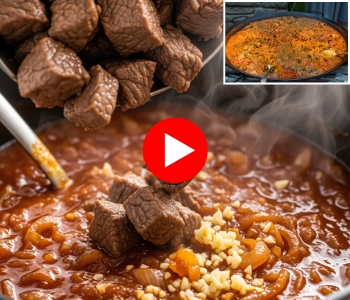 If you’re working with dried beans, you need to soak and cook them before using them. Canned corned beef and SPAM were common in WW2, but any potted meat, including canned Vienna sausages, is fair game.
Sear the meat in a pan first and then deglaze with water, tomato juice or milk. Scrape the bits from the bottom of the pan to create a sauce.
Then add any vegetables or softened beans and cook them together in a pot with water until heated through.
You can use hardtack like crackers, or you can grind it up into a powder to stir in as a thickener.
Bully Beef Breakfast Hash
Bully beef was the name soldiers gave to canned corned beef imported from South America. It was widely issued to British and American soldiers in WW2, which trench cooks used as a base for many improvised recipes, like breakfast hash. It was the sort of thing that became increasingly popular when soldiers liberated farmlands, giving them access to fresh eggs and root vegetables. Read more here…
Ingredients
- 1 can of corned beef
- 1 potato
- 1 onion
- 2-3 fresh eggs
How to make it
- Open the can, slice or mash the beef, and fry it in a pan with finely chopped root vegetables.
- Fry the eggs separately and put them on top of the fried bully beef patty.

In the winter, World War 2 soldiers often mixed it with biscuits or potatoes to to turn their limited rations into a heartier, more palatable meal during the cold months.
Oatmeal Gruel
During WW2, recipes with oats were cheap, filling, and easy to transport. Gruel was essentially a thin porridge that soldiers ate when other rations were low. It wasn’t glamorous, but it provided carbs and warmth. The best trench cooks had an eye for ways to add some variety and comfort food bits, as the oatmeal equivalent of adding banana slices to oatmeal. Read more here…
Ingredients
- ½ cup oats
- 1–2 cups water
- Pinch of salt
How to make it
Cook oats in water until thin and soupy. Add powdered milk or sugar if available. For more flavor, you can also add other ingredients, such as:
- Raisins – When available, raisins were a perfect addition to oatmeal, and often partially rehydrated when added to the pot early in the cooking process.
- Chunks of Dark Chocolate – GIs often had chocolate in their rations that could be cut into small chunks and put into the trench.
- Sugar or Molasses – If available, soldiers would sweeten their oatmeal with rationed sugar packets or molasses, which sometimes came in tins.
- Canned Fruit – Prunes, apples, or other canned fruits were highly prized to make oatmeal taste better and add vitamins.
- Butter or Lard – Fat was valuable for energy, so a spoonful of butter, margarine, or even lard could end up in the mix.
- Jam or Preserves – Jam was part of British rations in particular, and many soldiers stirred it into porridge for flavor.
SPAM and Rice
SPAM was an icon of WW2 in the Pacific, where fresh meat was scarce. Its long shelf life, portability, and versatility made it a soldier’s best friend. It was added into many recipes, but today throughout Hawaii, the Philippines, and other Pacific cultures, SPAM and rice is still popular.

Ingredients
-
1 cup long-grain rice
-
3 cups water
-
1 can SPAM (cubed or sliced)
-
1 onion, chopped (optional, or use any available vegetables)
-
Scallions, chopped (optional)
-
2–3 eggs (powdered or fresh, prepared scrambled)
-
Salt or soy sauce (for seasoning)
How to make it
- Prepare sticky rice by simmering 1 cup of long-grain rice with 3 cups of water until the rice is soft.
- Cut the SPAM into cubes and slices and fry them in a pan with onions, scallions or whatever vegetables are available.
- Fry powdered or fresh scrambled eggs separately.
- Stir the vegetables and fried SPAM into the rice, separating the grains with a fork.
- Scatter the eggs over the top.
- Season with salt or soy sauce.
Chocolate Ration Bars
In WW2, chocolate wasn’t just a treat. It also served as a practical way to boost a soldier’s daily calorie intake. They were also a great bartering item. Soldiers carried Hershey’s D-Ration bars, designed to withstand high heat and provide quick energy.
Some creative trench cooks would tweak D-ration chocolate into all kinds of portable dessert creations. One of the most loved ones was to make their own chocolate pucks, like the forerunners to modern candy bars.
Ingredients
- 1-2 pure chocolate bars
- 1 cup cocoa powder
- ½ cup sugar
- ½ cup coconut oil or lard (solid at room temp)
- Peanuts (Optional)
How to make it
- Warm a metal cup over a small fire, lightly greasing it before melting chocolate into the cup and stirring in sugar with cocoa powder.
- Pour the mixture into molds and let it harden.
In the winter, the bars or chocolate pucks would harden quickly. They were a perfect accompaniment to instant coffee.
All of these recipes fit perfectly into a 90-day survival meal plan. If you’d like to explore more, you can click here to access over 40 tested recipes that can simplify your long-term food prepping.

Final Thoughts
The trench cooks of WWII weren’t gourmet chefs sprucing things up for their foodie TV show, they were survivalists making do with what they had. The dishes they created prioritized shelf life and calories above all else.
Practicing recipes like these, or coming up with your own helps keep your own culinary skills razor sharp. So when SHTF, and you’re forced to make do with what you have, while battling the pangs of food fatigue, you’ll be ready, willing, and able to create foods that fill bellies and boost morale.
A Special Message for You
Merry Christmas, dear reader!
As this year comes to a close, we want to take a moment to say thank you. Thank you for being with us, for reading Ask a Prepper, and for trusting us to be part of your prepping journey. Without you, this website simply wouldn’t exist. Every visit, every article you read, and every moment you spend here is what makes all of this possible.
Your engagement is what keeps this prepping community alive and thriving. It’s proof that people still care about self-reliance, responsibility, and looking out for their families and communities. We’re grateful to walk this path with you.
From all of us at Ask a Prepper, we wish you a safe, peaceful, and blessed Christmas. Stay prepared, stay strong, and enjoy the holidays with the people who matter most.
You may also like:
 My Famine Food Storage Menu
Strategies used by President Trump to Safeguard His Wealth (VIDEO)
The Government Doesn’t Want You to Have These
Depression-Era Foods Making a Comeback
Safe Natural Alternatives to Tylenol
Read the full article here