

We all know that not every survival food is created equal. Calories and shelf life matter, of course, but experienced preppers understand that sustaining health over time requires more than just anything that won’t spoil. It’s easy to lean on traditional favorites because of their reputation, but reputations don’t always tell the whole story.
I dare to say it: pemmican isn’t as great as you might think. There are plenty of reasons for this, and after talking with a nutritionist who specializes in survival prepping, it’s clear that if you want to safeguard your long-term nutrition, there are far better options. I’m not saying pemmican shouldn’t have a place in your stockpile, because it still provides calories and is shelf-stable, but it isn’t the wonder food many preppers believe it to be.
That’s why it’s worth taking a hard, honest look at what pemmican truly offers and what it doesn’t before relying on it as the cornerstone of your prepper pantry.
The Nutritional Reality of Pemmican
 Pemmican’s appeal is obvious: high calories, fat-dense, and long-lasting. Yet, beneath that rugged exterior lies a food with serious shortcomings for modern survival.
Its composition, which primarily consists of dried meat and rendered fat, leaves significant gaps in essential nutrition.
Fiber is virtually absent
For preppers relying on long-term stockpiles, fiber shouldn’t be a trivial concern. This nutrient is essential for digestion, metabolic stability, and overall gut health.
A diet centered around pemmican alone can lead to sluggish digestion and a decrease in nutrient absorption over time.
Vitamins and minerals are sparse
Even when berries are included, their contribution is minimal, providing only trace amounts of vitamin C, potassium, or magnesium. Therefore, micronutrient deficiencies can creep up subtly, weakening immune resilience and energy levels during extended emergencies.
Fat content is another red flag
Pemmican is overwhelmingly saturated fat. While that delivers short-term energy, sustained intake can tax the cardiovascular system, a real consideration for preppers who are mindful of age-related health risks. Instead, take into consideration alternatives that provide healthier fats, such as nuts and seeds, nut butters, avocado oil, and fatty fish like canned salmon or sardines
Complex carbs are absent
 Carbohydrates are virtually nonexistent in traditional pemmican. Its focus on dried meat and rendered fat means there’s little to no source of energy from complex carbs.
Without carbs, the body must rely entirely on fat for fuel, which can lead to energy fluctuations, mental fatigue, and quicker depletion of glycogen stores during intense activity.
To make the meal more balanced, it’s necessary to pair it with rice, oats, or other carbohydrate sources.
Otherwise, you will lack the quick-access energy needed for prolonged exertion, and your body may struggle to maintain endurance, focus, and overall performance during demanding situations.
So, when the grid goes down, having tried-and-true recipes ready can make all the difference. Click here to access over 30 survival-tested recipes and a complete 90-Day Meal Plan – carefully crafted and proven in real-world scenarios to keep you well-fed and prepared for anything.
Better than Pemmican Alternatives
These options provide a better mix of protein, healthy fats, complex carbohydrates, and micronutrients.
Dried beef
Drying beef is a time-honored preservation method, used for centuries by cultures around the world to create a lean, shelf-stable protein. When properly dried, vacuum-sealed, and stored in a cool, dark place, dried beef can last a year or even longer if frozen or stored in a buried fridge.
It’s not only convenient but versatile: rehydrated dried beef pairs perfectly with gravy, canned vegetables, rice, or legumes, turning simple pantry staples into a complete, balanced meal. Beyond protein, it supplies iron, zinc, and B vitamins – nutrients often missing in high-fat survival foods like pemmican.
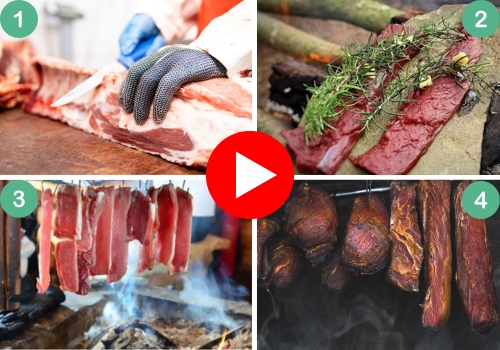
To make dried beef last, it must be prepared using a carefully tested method that preserves both its nutrients and flavor, ensuring it remains a reliable protein source for years.
This video shows you exactly how to do it step-by-step:
Oily Fish for Essential Fatty Acids
Shelf-stable oily fish like sardines, mackerel, and salmon bring a nutritional boost that pemmican lacks. Omega-3 fatty acids support heart health and cognitive function, both crucial for older preppers.
Additionally, these fish contain vitamin D and selenium, which help maintain immunity and overall metabolic health during prolonged storage or consumption. They can be eaten straight from the can or incorporated into hearty soups and stews.
Preserved Eggs
Preserved eggs, such as salted, pickled, or century eggs, are treated to extend their shelf life while maintaining their protein and nutrient content.
Unlike pemmican, which is extremely high in saturated fat and low in other nutrients, preserved eggs provide complete protein, essential vitamins like B12 and choline, and healthy fats. They are also versatile – eaten on their own, chopped into dishes, or added to soups and stews.
We’ve put several preserved egg recipes to the test, and they consistently deliver both flavor and lasting nutritional value. To discover this recipe, CLICK HERE and see how easy it is to add this nutritious, long-lasting protein to your stockpile.
Lentils for Steady Energy
 As most of you know, lentils are lightweight, long-lasting, and pack a powerful nutritional punch.
Rich in protein, fiber, and minerals such as iron and magnesium, they provide sustained energy without the crashes that high-fat-only foods can cause.
In the long run, lentils are a good addition to other canned or freeze-dried proteins, making every meal balanced and filling.
Beans for Fiber and Protein
Dry beans like black, kidney, and navy offer both protein and complex carbohydrates, helping maintain energy levels over extended periods.
High in fiber, they complement proteins from canned or freeze-dried sources and aid in digestion, something that’s entirely missing in a pemmican-centered diet.
The best part is that with proper rotation and storage, beans can last a lifetime. There’s no wonder they are a staple food in every prepper’s pantry.
Hamburger in a Bag
Modern freeze-dried ground beef, sometimes called “burger in a bag,” traces its roots to early preservation methods used by explorers and the military to keep meat edible on long journeys. Today’s versions are lightweight, shelf-stable, and packed with high-quality protein while keeping fat content moderate.
A typical serving delivers essential amino acids for muscle maintenance and energy, along with iron, zinc, and B vitamins, nutrients often lacking in traditional survival rations like pemmican. Rehydrating freeze-dried beef is simple and quick, and it blends seamlessly into soups, stews, chili, or even casseroles.
The video below will show you how to make this unique and long-lasting recipe:

Textured Vegetable Protein (TVP)
Most likely, plant-based proteins aren’t at the top of every prepper’s list, but they deserve serious consideration when it comes to nutrition and long-term storage.
Compared to pemmican, textured vegetable protein (TVP) offers a leaner, protein-rich alternative without the heavy fat content, while still providing essential amino acids when paired with grains or legumes.
Made from soy, it delivers protein efficiently, absorbs flavors readily, and rehydrates quickly. Preppers who prioritize lightweight, nutrient-dense options often rotate TVP into their stockpiles alongside canned and freeze-dried meats.
Nuts and Seeds
Nuts and seeds such as almonds, hazelnuts, pumpkin or sunflower provide a mix of healthy fats, protein, and essential micronutrients.
Unlike pemmican’s saturated fat-heavy profile, these nuts and seeds deliver monounsaturated and polyunsaturated fats, supporting heart health. They’re also rich in magnesium, vitamin E, and antioxidants, which are especially important for preppers maintaining long-term wellness in demanding situations.
👉The Only Seeds You Need to Stockpile for a Crisis
They can be incorporated into meals or snacks and can add variety, better nutrition and provide healthy fats that keep energy levels steady.
How to Create a Balanced Stockpile
The key to effective long-term stockpiling isn’t just calories, protein and fat, but finding balance. Because in a survival scenario, lack of nutrition can kill you faster than any threat. So instead of relying solely on pemmican, a robust prepper pantry combines canned proteins, freeze-dried meats, legumes, nuts, and seeds.
Consider a week-long survival ration: a mix of canned chicken or turkey for protein, beans and lentils for complex carbs and fiber, powdered eggs for versatility and nutrient density, and a blend of nuts and seeds for healthy fats and essential micronutrients. This combination provides steady energy, maintains muscle and immune function, and supports cardiovascular health.
But keep in mind that building an stockpile means to understand how to preserve food properly – and one of the best ways to learn is from the Amish.
Eddie Shwartzentruber, author of The Amish Ways, reveals long-term preservation secrets, including techniques for drying beef, constructing an Amish root cellar, smoking meats, and even creating a buried fridge for use without electricity.

His methods combine traditional wisdom with practical, low-tech solutions that can help preppers store food safely, maintain nutrients, and extend shelf life, ensuring your stockpile is both resilient and reliable.
Final Thoughts
Even though pemmican is a good choice for your pantry, there are other alternatives that might be a better choice for the long run. Because we shouldn’t underestimate the role of good nutrition and a varied diet, even in an off-grid scenario.
So, next time you update your stockpile, keep in mind that including a mix of protein sources, nutrient-rich foods, and long-lasting staples will not only sustain you but help you stay healthy, energized, and prepared for whatever comes your way.
You may also like:
 Foods You Should Never Wash
The First Remedies That Will Disappear In A Crisis (VIDEO)
Food Prepping Skills I Learned in the Military
Just-Add-Water Recipes (2+Years Shelf-Life)
$5 Depression-Era Recipes
Winter Is Coming! Don’t Forget To Do This
Read the full article here